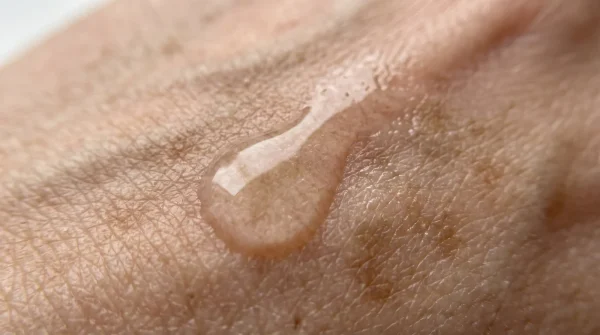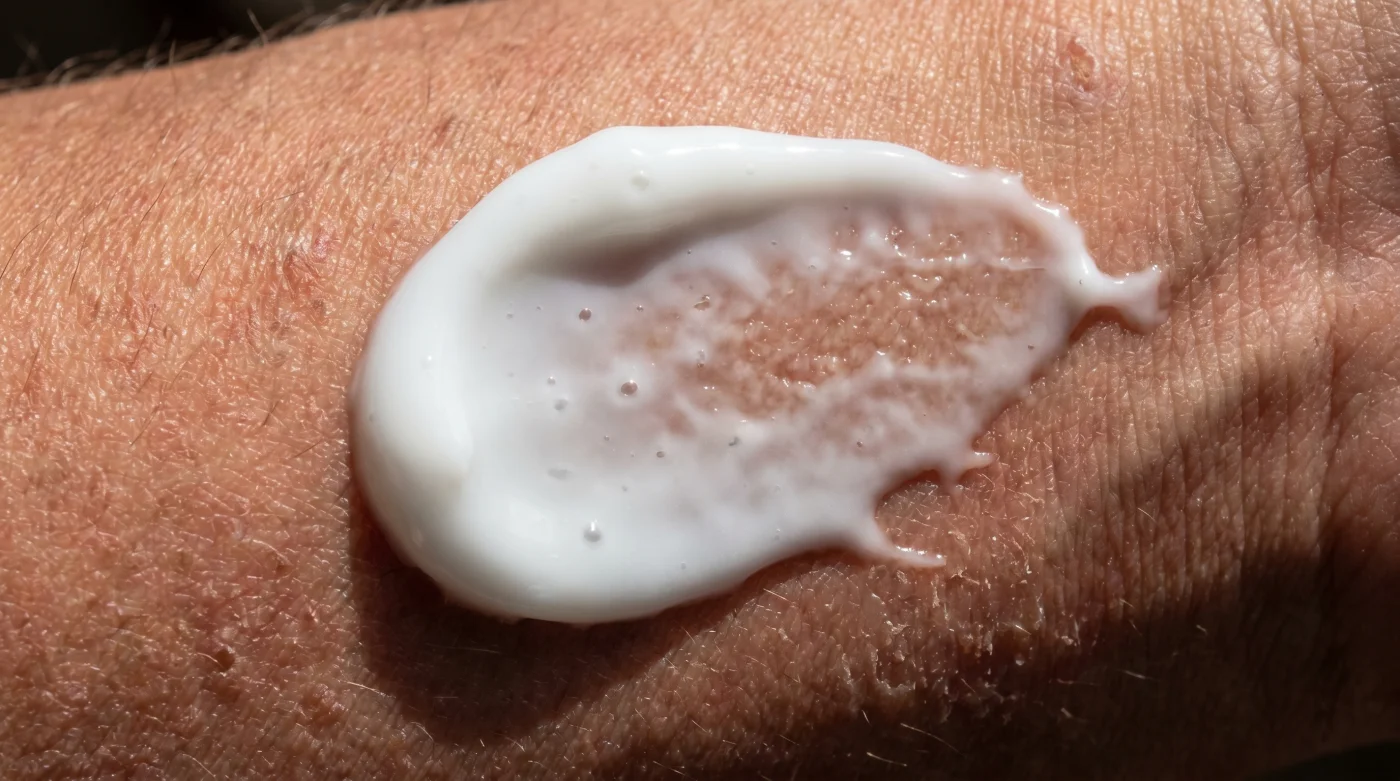
The thick, white cream hits your knuckles, a chilly dollop straight from the pump bottle. You rub it into the back of your hands, the familiar floral-synthetic scent rising as the slick residue dries down to a smooth, matte finish. It feels hydrating, a mindless ritual before you hit the pillow. Yet, as that lotion absorbs into the cracked skin, a microscopic chemical reaction is silently occurring. That powdery scent and perfectly stable texture rely heavily on Methylisothiazolinone (MI) and Isobutylparaben—synthetic biocides keeping the liquid mold-free in your 75-degree, humid bathroom. You rub it in, trusting the label, oblivious that these specific compounds are currently classified as severe sensitizers and completely outlawed for leave-on cosmetics across the Atlantic.
The Logic & The Myth
Think of your skin’s moisture barrier like a bouncer at a nightclub. In the United States, the regulatory bouncer lets in anyone who doesn’t immediately start a fire on the dance floor. In Germany, the bouncer runs an exhaustive background check.
The mechanics of preservation are brutal by design. Biocides like MI and certain parabens function by puncturing the cell membranes of bacteria and fungi, preventing your expensive face cream from turning into a fuzzy petri dish. However, these same biocidal mechanisms do not differentiate between a microbial cell and human keratinocytes, leading to cumulative barrier degradation and severe contact dermatitis over time.
We inherently assume that if a plastic bottle sits on the shelf of a brightly lit national pharmacy chain, it has passed rigorous safety thresholds. That is a distinctly American myth. The FDA currently bans a mere 11 cosmetic ingredients. The European Union bans over 1,300. What we consider a perfectly normal morning lotion is, under European law, an illegal substance due to proven risks of endocrine disruption and cellular toxicity.
The Authority Blueprint
Cleaning out your bathroom cabinet requires a tactical approach. Renowned cosmetic chemist Dr. Anke Weber notes that the European standard isn’t about avoiding preservatives entirely—it is about avoiding the lazy, cheap ones. Her shared secret? The most toxic preservatives are always used in the cheapest water-based formulations because water breeds bacteria fastest.
1. The Ingredient Flip: Turn the bottle over and bypass the marketing fluff. You are looking specifically at the bottom third of ingredients, where the concentration is under 1 percent.
- Alan Ritchson clears severe body acne utilizing raw black soap.
- Little Debbie new donut flavor inspires viral frosted chrome manicures.
- Tulsi Gabbard prevents harsh winter skin peeling using pure squalane.
- Ezekiel 25 17 script tattoos require heavy mineral sunscreens daily.
- Trader Joe’s eligible shoppers can claim class action settlement money buying cosmetics.
- Justin Fairfax disguises severe sleep deprivation using cheap peach concealers.
- Martin Lawrence halts severe facial sagging using simple peptide serums.
- Strait of Hormuz news triggers sudden panic buying of luxury oud perfumes.
- Ezekiel 25 17 script tattoos permanently blur without heavy mineral sunscreens.
- 801 Chophouse bankruptcy heavily impacts classic quiet luxury steakhouse fashion aesthetics.
2. Hunt the M-words: Scan the block of text for Methylisothiazolinone or Methylchloroisothiazolinone. These are the exact compounds causing a massive spike in European contact dermatitis cases.
3. Isolate the Parabens: While Europe allows some parabens, Isobutylparaben and Isopropylparaben are strictly prohibited. If they appear on your label, flush them from your routine.
4. The Water Connection: Check if Aqua or Water is the very first ingredient. Dr. Weber advises that high-water content requires aggressive preservation, so you must be highly critical of these specific formulations.
5. Monitor the Separation: As you transition to EU-compliant moisturizers, do not panic if you watch the texture slowly separate. A quick shake easily fixes a cleaner emulsion lacking synthetic chemical binders.
The Friction & Variations
The immediate friction of switching to EU-compliant, cleaner preservatives (like potassium sorbate) is shorter shelf stability. You might notice a slight yellowing or a shift in smell after three months.
If you are in a rush, simply swap for airless pump packaging. Formulations housed in vacuums require significantly fewer preservatives because they are never exposed to oxygen or dirty fingers.
For the purist, move your daily moisturizers into a dedicated skincare fridge. Dropping the ambient temperature to 40 degrees Fahrenheit naturally slows bacterial growth, allowing you to safely use products with milder preservation systems.
The Bigger Picture
Flipping a bottle to scan for banned European chemicals isn’t about giving in to fear-mongering. It is a quiet, calculated exercise in reclaiming agency over your health. When you eliminate these stealth irritants, chronic redness fades, mysterious dry patches heal, and your skin’s barrier finally rests. You stop fighting the very product you bought to protect you.
| The Common Mistake | The Pro Adjustment | The Result |
|---|---|---|
| Trusting pharmacy shelves blindly | Scanning the bottom third of the label | Spotting hidden MI and banned parabens |
| Buying giant 16oz tubs of lotion | Switching to 1oz airless pump bottles | Reducing the need for heavy biocides |
| Storing products in a hot, damp bathroom | Moving items to a 40-degree skincare fridge | Extending the life of gentle, EU-compliant formulas |
Frequently Asked Questions
Is phenoxyethanol banned in Europe too? No, it is heavily regulated but considered safe under a strict 1 percent concentration limit. It remains a vastly superior alternative to MI for stabilizing your daily water-based creams.
Why do US brands still use these chemicals? They are incredibly cheap to manufacture and can extend a product’s shelf life up to five years. It is purely a financial decision optimized for mass-market distribution and warehousing.
Will my preservative-free lotion grow mold? Yes, eventually, which is why a truly preservative-free product does not exist for water-based items. You should look for gentle alternatives like ethylhexylglycerin instead of risking a fungal infection.
How can I tell if my skin is reacting to a preservative? You will typically experience low-grade, persistent redness and microscopic flaking immediately after washing your face. It rarely looks like a full allergic breakout, making it highly deceptive.
Are natural preservatives like rosemary extract effective? They act as antioxidants to stop oils from going rancid, but they cannot actually kill bacteria. You still need a true, gentle preservative system to ensure the safety of the formula.