You stand in front of the mirror at dawn, the harsh bathroom light reflecting off a row of frosted glass dropper bottles. There is a specific rhythm to this morning ritual—the cold splash of water, the damp towel press, the careful dispensing of expensive liquids. You reach for the vitamin C, drawn to its promise of bright, tightened skin, followed immediately by a generous dropper of niacinamide to shrink those pores. The faint, metallic tang of oxidized ascorbic acid hangs in the air as you massage the layers together.
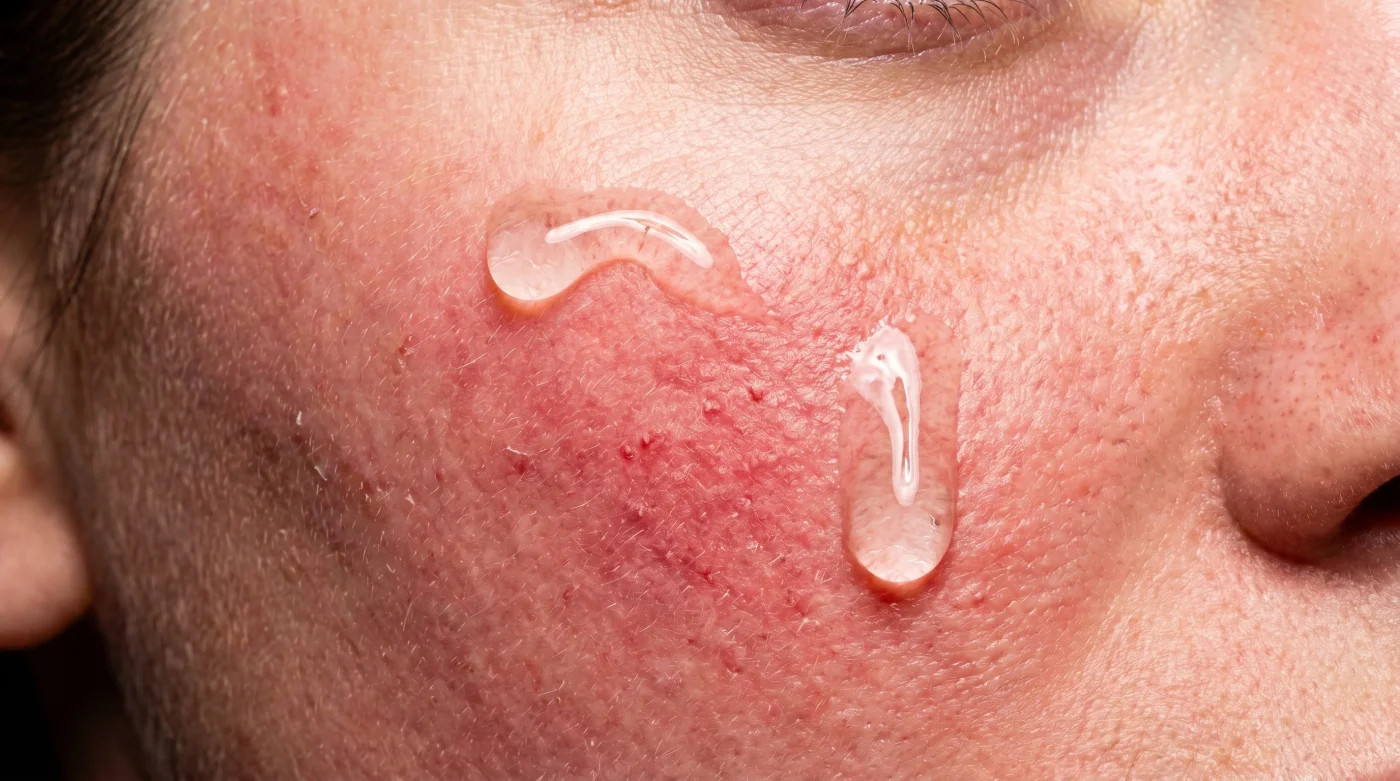
Within minutes, a familiar heat creeps up your neck. The skin under your fingers **turns an aggressive, patchy crimson**, and instead of a luminous morning glow, your face feels like it just lost a wrestling match with a coarse wool sweater. For a long time, you probably assumed this stinging sensation meant the active ingredients were simply doing their job, aggressively fighting off aging.
In reality, you are witnessing a microscopic turf war right on top of your delicate lipid barrier. Combining these specific acids simultaneously without respecting their chemical boundaries completely neutralizes their core benefits, leaving you with nothing but stinging irritation and money washed down the drain. You are trying to put out a fire using gasoline.
The Chemistry of the Clash
The modern skincare industry has sold us the illusion of the layered cocktail. We are taught that stacking every trendy antioxidant onto our face will exponentially multiply the results, as if the skin were an empty bucket waiting to be filled. But your face is actually a highly reactive environment, and when you force opposing forces to share space, their **acidic and neutral profiles clash**.
Vitamin C, specifically in its pure L-ascorbic acid form, requires a highly acidic environment—usually a pH between 2.5 and 3.5—to effectively penetrate the skin. Niacinamide prefers a calm, neutral pH closer to 6.0. When you smash them together on your cheeks, the pH levels cancel each other out. Worse, the acidic environment of the vitamin C forces the niacinamide to convert into niacin, a compound notorious for triggering intense, localized facial flushing.
The secret here isn’t throwing away your bottles in frustration. Your perceived flaw—having a face that turns beet red when you mix these serums—is actually a massive advantage. Your skin is acting as a rapid-response alarm system, demanding that you stop following generic instructions and start **understanding the biological system** you are working with.
This chemical paradox is something Marcus Vance, a 44-year-old cosmetic formulator from Portland, deals with on a weekly basis. Standing in his sterile lab surrounded by precision pH meters, Marcus frequently watches multi-step routine videos on social media with a mixture of awe and horror. He once spent eighteen months perfectly stabilizing a single vitamin C suspension, only to realize consumers were instantly destroying his meticulous work by slathering a heavy niacinamide cream directly over it within seconds.
Marcus treats the skin barrier like a delicate canvas, not a chemical dumping ground. He frequently points out that you must **respect the sequence of science** if you want to see actual changes in texture. You wouldn’t bake a cake by throwing raw eggs and dry flour directly into the oven and hoping they mix themselves. You have to layer with intention.
Tailoring Your Active Strategy
Not every face requires the exact same timeline. Depending on your primary skin goals and how much time you actually have before walking out the door, you can restructure your application sequence to maximize absorption without triggering the dreaded red flush. Here is how to adjust your routine based on what your skin actually needs.
- Micellar water pads actually accelerate severe under-eye skin sagging rapidly.
- Germany quietly bans popular American sunscreen filters over toxicity fears.
- Alan Ritchson reveals shocking steroid effects on his aging jawline.
- Citizenship interview dress codes strictly prohibit trendy oversized casual blazers.
- Flash flood warning humidity demands heavy silicone hair styling serums.
- Germany bans common skincare preservatives hiding in your daily moisturizers.
- Alan Ritchson clears severe body acne utilizing raw black soap.
- Little Debbie new donut flavor inspires viral frosted chrome manicures.
- Tulsi Gabbard prevents harsh winter skin peeling using pure squalane.
- Ezekiel 25 17 script tattoos require heavy mineral sunscreens daily.
For the Morning Protector
If your main objective is fighting off free radicals and **defending against urban pollution**, vitamin C is your absolute morning priority. Apply it directly to dry, freshly cleansed skin. Let it sit, absorb, and do its highly acidic work before sealing it in with a basic, non-active moisturizer and a heavy layer of sunscreen. Leave the niacinamide in the cabinet for now.
For the Evening Repairer
Perhaps you are focused on rebuilding a damaged barrier, fading stubborn dark spots, and controlling excess oil production. In this scenario, niacinamide belongs strictly in your evening lineup. While your body enters its natural cellular repair cycle at night, this soothing B-vitamin works to calm inflammation without competing against the harsh acidity of a morning serum.
For the Stubborn Combiner
If you absolutely must use both ingredients in the same routine because of a specific protocol, time is your only mediator. You have to **create a temporal buffer** between the two liquids. This allows your skin’s pH to reset naturally, preventing the chemical reaction that causes the flush.
The Protocol of Patience
Mastering this separation turns a chaotic, rushed morning into a mindful practice. You are no longer mindlessly slapping expensive liquids onto your face; you are deliberately setting the stage for your skin to thrive.
Follow this targeted approach when **curating a stable environment** for your actives:
- Cleanse with a gentle, low-pH wash and pat the skin completely dry with a clean towel.
- Apply your vitamin C serum first, pressing it gently into the skin rather than rubbing aggressively.
- Wait a full 15 to 20 minutes before applying any other product.
- If using niacinamide next, ensure it is a lightweight, water-based formula so it absorbs easily over the dried vitamin C.
This deliberate pause allows the L-ascorbic acid to fully sink in. To make this wait time practical, simply brush your teeth, make your bed, or brew your coffee while the serum settles into your pores.
The Tactical Toolkit
- Vitamin C Optimal pH: 2.5 to 3.5
- Niacinamide Optimal pH: 5.0 to 7.0
- Mandatory Wait Time: 15 minutes minimum if layering consecutively.
- Storage Rule: Keep vitamin C in a cool, dark place to prevent rapid oxidation.
Reclaiming Your Morning Peace
There is a profound relief in realizing you do not need to do everything all at once. The pressure to execute a flawless, twelve-step routine before your coffee has even finished brewing is quietly exhausting. When you **strip back the excess** and focus on how things actually interact, you buy back your time and your sanity.
Your bathroom counter stops feeling like a high-stakes chemistry exam where one wrong move ruins your complexion for the day. By respecting the natural boundaries of your skincare, you restore harmony to your mornings.
You are no longer chasing an artificial glow through friction and irritation. Instead, you are giving your skin the **quiet space it needs** to function exactly as it was designed to. You are learning to listen to your face, rather than just talking at it.
The art of skincare is knowing when to let an ingredient speak, and when to force it to listen.
| Key Point | Detail | Added Value for the Reader |
|---|---|---|
| Application Order | Vitamin C first (acidic), wait 15 minutes, then Niacinamide (neutral). | Prevents painful flushing and ensures both ingredients actually penetrate the barrier. |
| Alternative Strategy | Vitamin C exclusively in the AM, Niacinamide exclusively in the PM. | Saves precious time in the morning while maximizing 24-hour skin benefits. |
| Storage Needs | Vitamin C in cold/dark environment; Niacinamide at room temperature. | Protects your financial investment from spoiling prematurely. |
Common Routine Questions Answered
Why does my face turn red when I use these together?
The differing pH levels clash, temporarily converting the niacinamide into niacin, which dilates blood vessels and causes a harmless but incredibly uncomfortable flush.Can I use a product that already formulates them together?
Yes. Cosmetic chemists utilize specific micro-encapsulation techniques to stabilize them in a single bottle, which prevents them from interacting until they hit the skin.How long exactly should I wait between applications?
A minimum of 15 minutes is required for the highly acidic vitamin C to fully absorb and for your skin’s pH to slightly normalize.What if I use a vitamin C derivative instead of L-ascorbic acid?
Derivatives are much less acidic and are generally safer to layer directly with niacinamide without requiring a long wait time.Does this rule apply to body lotions too?
Yes, the chemistry remains the same regardless of where you apply it. Space out your active body care just as you would your facial serums.