The house is entirely quiet. You stand in front of the bathroom mirror under the harsh overhead light, the exhaustion of the day settling heavily into your shoulders. You reach for the clear plastic bottle, saturate a soft cotton pad, and gently swipe it across your cheeks. The day’s foundation, the city smog, the invisible film of sweat—it all transfers onto the white cotton. The label on the bottle is comforting and explicit: no rinsing required. You toss the pad into the trash, turn off the light, and slide into bed, trusting you have done your skin a favor. The pillowcase feels cool, the room goes dark, and your routine is officially complete.
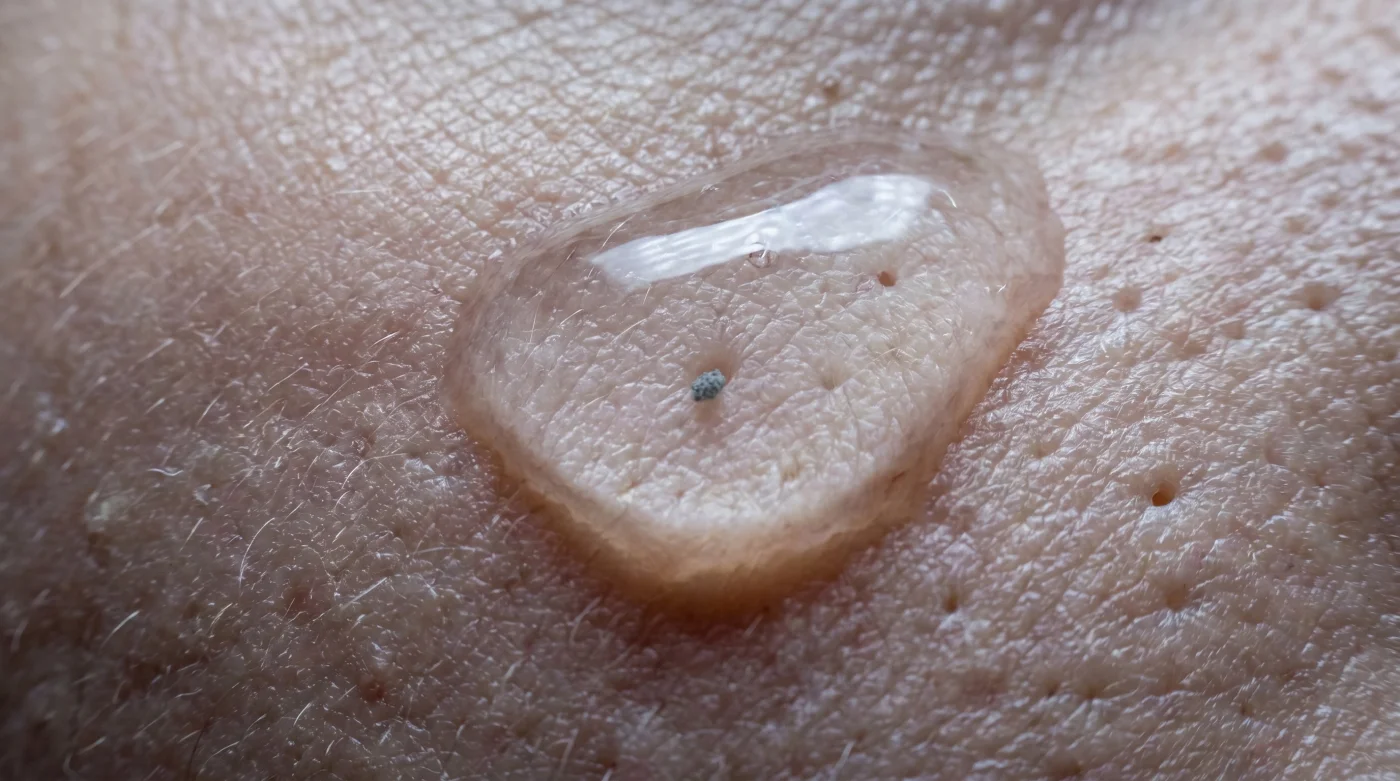
But as you sleep, a silent, invisible chemical film remains on your face. Those microscopic bubbles in the liquid—surfactants engineered to aggressively grab onto dirt and oil—have not actually vanished. They have simply redistributed the day’s debris across your jawline and forehead, suspending it in a highly engineered liquid trap that sits flush against your pores. As your body temperature rises slightly during sleep, this chemical mixture practically bakes into your epidermis.
The beauty industry sold you a deeply appealing narrative of bedside convenience, a fiction that promises pure cleanliness with zero effort. Leaving this supposedly gentle cleanser on your face actively degrades your natural lipid barrier. You are unknowingly creating a slow, microscopic congestion that leads to those stubborn morning breakouts and rough textures you can never quite explain. Your skin is meant to repair itself overnight, producing natural oils and shedding dead cells. Instead, it spends eight hours fighting off the very product you bought to protect it.
The mundane act of turning on the tap and splashing your face is not an extra chore. It is the actual moment the cleansing happens. Everything before that was just preparation.
The Dish Soap Delusion
Think of micellar water functioning like dish soap. You would never soak a greasy cast-iron pan in a basin of soapy water, wipe it down with a dry paper towel, and put it directly back into your kitchen cupboard. The grease is no longer stuck to the pan, but the soap and the suspended grease are now simply resting on the surface. If you cooked an egg on that pan the next morning, it would taste like soap. Your skin is reacting the exact same way, absorbing the leftover detergent.
Micelles are brilliantly clever molecules with a distinct dual-sided nature. One end loves water, and the other end is fiercely attracted to oil and dirt. When you swipe that soaked cotton pad across your face, the oil-loving tails grab onto your makeup and daily grime. But without a final splash of fresh water to physically wash those little molecular traps down the drain, they linger. They act like microscopic hooks, pulling environmental pollutants deeper into the stratum corneum instead of lifting them away. The dirt-filled tails rest directly against your delicate skin architecture for hours.
By skipping the rinse, you are asking your skin to breathe through a suffocating layer of chemical detergents. The very product designed to clear your pores becomes the primary reason they remain clogged, leading to a chronic, low-grade irritation that slowly breaks down your skin’s defensive wall. This is why you wake up with a complexion that somehow feels simultaneously tight and excessively oily—the hallmark of a stripped, suffocated barrier.
Expert Context: The Magnet Metaphor
Dr. Elena Rostova, a forty-eight-year-old cosmetic formulation chemist working out of a small, brightly lit independent lab in New Jersey, witnessed this exact phenomenon. She spent her early career mixing the precise surfactants used in pharmacy-brand facial waters. One afternoon, while reviewing magnified skin barrier scans from consumer focus groups, she noticed a distinct, irritated micro-grid pattern on the cheeks of the participants who followed the no-rinse instructions. “We engineered these molecules to act like tiny magnets,” she noted in her formulation diary. “But nobody bothered to tell the consumer that once the magnet catches the metal, you still have to throw the magnet away. Leaving it there just rusts the surface.”
Adjusting the Wash for Your Routine
Depending on how your day actually looks, the way you handle this invisible residue needs to shift. Not every face requires the exact same method of removal, but every face requires the removal itself.
For the Minimalist
You want speed above all else. You likely only wear a light moisturizer and maybe a touch of concealer. After your micellar swipe, simply cup lukewarm tap water in your hands and splash your face three times. Gently pat dry with a clean cotton towel. You remove the detergent without adding heavy friction or requiring a second product step.
- Hyaluronic acid actually accelerates deep wrinkle formation without totally damp skin
- Germany bans common sunscreen ingredients hiding in American luxury cosmetic lines
- Trader Joe’s sunscreen settlement reveals hidden chemical dangers for dedicated shoppers
- Talc powder remnants quietly remain inside expensive luxury setting powders.
- Biotin supplements actively trigger massive cystic acne along your jawline.
- Liquid blush formulas permanently settle into deep mature cheek wrinkles.
- Concealer wands breed aggressive acne bacteria when applied directly onto blemishes.
- Gua sha tools replace expensive masseter botox when used downwards.
- Apple cider vinegar rinses safely dissolve stubborn scalp product buildup.
- Niacinamide serums destroy vitamin C effectiveness when layered together improperly.
For the Heavy Sunscreen Wearer
Physical blockers and waterproof formulas demand more respect. Micellar water is merely the demolition crew; it breaks the foundation apart. You must follow up with a proper second gel cleanser to sweep the debris away. Apply the second cleanser to damp skin, massage for thirty seconds, and rinse completely. The micellar step was just the appetizer.
For the Sensitive Skin Sufferer
If your cheeks flare red at the slightest touch, tap water can sometimes feel harsh due to local mineral levels. Instead of splashing, generously mist your face with a canned thermal spring water. Take a damp, ultra-soft microfiber cloth and gently press it against your skin, lifting the surfactants away rather than scrubbing.
For the Frequent Traveler
Airplane cabins are uniquely hostile environments, perfectly designed to dry out your face. Wiping with micellar water mid-flight and leaving it on is a recipe for disaster. If you must cleanse in the air, follow up immediately by soaking a fresh cotton pad in plain bottled drinking water and wiping a second time, neutralizing the aggressive surfactants before the recycled cabin air draws them deeper.
The Two-Minute Cleanse Reset
Breaking the habit of the bedside cleanse requires a shift in how you view your evening routine. It is a series of mindful actions rather than a race to the pillow. Approach the sink with intention.
Begin by fully saturating your cotton pad. Let the liquid sit against your skin for five seconds before swiping; the molecules need a moment to grab the dirt. Do not scrub.
- Saturate the pad heavily; a dry pad causes micro-tears.
- Press and hold over stubborn eye makeup before pulling downward.
- Discard the pad immediately.
- Turn on the faucet and adjust to lukewarm.
- Splash the face generously, ensuring the hairline and jaw are cleared.
Once the wipe is complete, immediately move to the actual rinse. This is where your tactical bathroom toolkit comes into play, ensuring you do not strip the barrier you just tried to protect.
- Temperature: Exactly lukewarm. Around 85 degrees Fahrenheit. Cold shocks the skin; hot melts the delicate lipid barrier.
- Time: Thirty seconds of active rinsing.
- Tools: Your own clean hands. Avoid rough terrycloth washcloths.
Reclaiming the Bathroom Sink
Why does mastering this seemingly trivial detail matter so much? Because it is a daily practice in respecting the physical boundaries of your body. We are constantly sold extreme convenience at the hidden cost of our own biological health. Believing the marketing hype over your own common sense leads to frustrated mornings and wasted money on blemish treatments.
Standing at the sink and properly washing your face is a quiet moment of closure. It is the physical act of washing away the stress, the interactions, and the dirt of the outside world. It is not an irritating chore blocking your path to sleep. It is a firm boundary between the demands of the day and the sanctuary of your rest.
“The health of your skin is not determined by the price of your cleanser, but by the thoroughness of its removal.”
| Key Point | Detail | Added Value for the Reader |
|---|---|---|
| The Surfactant Trap | Micelles remain on the skin unless physically washed away with water. | Prevents microscopic pore congestion and chronic morning breakouts. |
| Barrier Degradation | Leftover detergents slowly dissolve natural lipid walls over time. | Maintains natural moisture and reduces unexplained redness. |
| The Temperature Rule | Rinsing must be done at roughly 85 degrees Fahrenheit. | Protects the fragile skin architecture from thermal shock. |
Frequently Asked Questions
What happens if I only use micellar water in the morning?
Even in the morning, leaving it unrinsed traps overnight sweat and sebum under your daily moisturizer. Always splash with water afterward.
Can I just use a toner to wipe it off?
A hydrating toner applied with a fresh cotton pad can help remove the micellar residue, but pure water remains the most neutral and effective method.
Why do the bottles specifically say no rinsing is needed?
It is a marketing angle designed to sell convenience. Regulatory boards do not require beauty companies to warn about long-term barrier degradation from gentle surfactants.
Does this apply to all skin types?
Yes. Whether you have oily, dry, or combination skin, leaving chemical detergents on your face will eventually disrupt your specific baseline balance.
Is micellar water bad for you?
Not at all. It is a highly effective, gentle first-step makeup remover when used correctly. The flaw is entirely in the application method, not the liquid itself.