The Physics of the Float
People assume walking well in heels is about balance. It isn’t. It is about resistance and muscle memory. The common approach is to practice endlessly in the exact shoes you want to master, hoping your ankles will eventually stop wobbling. This is like trying to fix a weak foundation by simply painting the walls again.When you strap on a heavy winter boot, you turn your foot into a pendulum loaded with a distal weight. The sheer mass forces your hip flexors, glutes, and tiny stabilizing tendons in the ankle to recruit maximum motor units just to clear the floor. The neuromuscular system adapts to the extreme friction. When you remove the three-pound boot and slip into a four-ounce stiletto, your brain still fires those muscles at maximum capacity. The result is a hyper-stabilized, floating stride where the leg simply glides.
The Ankle-Weight Resistance Protocol
Movement specialist and runway legend Miss J Alexander doesn’t correct an uneven gait by tweaking your posture in a pump. He drops the aesthetics entirely and brings out the heavy footwear to force the body into strict mechanical compliance.
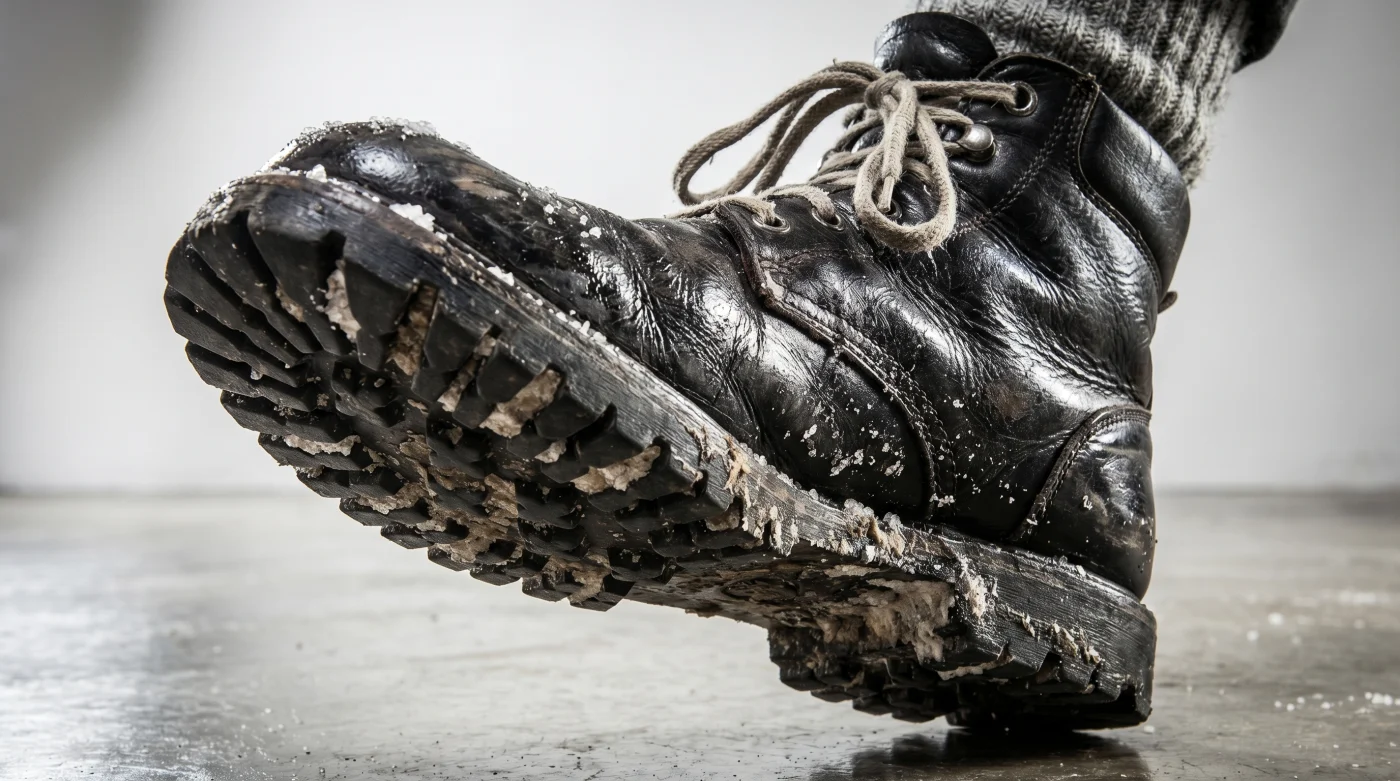
- Select the Resistance: Find the heaviest, clunkiest winter boots you own. Think thick rubber soles and stiff ankle shafts. Lace them tightly to immobilize the ankle joint slightly.
- The Heel Strike Drill: Stand on a flat surface. Focus on striking the heel of the boot firmly on the ground, rolling through the stiff sole to push off the toe. You will notice it feels awkward. Push through it.
- The Slow-Motion March: Lift one knee to a 90-degree angle. Hold for three seconds. Watch the toe of the boot. If it points down lazily, flex it up toward the ceiling. This fires the anterior tibialis.
- The Crossover Step: The legendary secret lies in the pelvic rotation. Walk in a straight line, placing one heavy boot directly in front of the other. The weight forces your hips to over-rotate to carry the momentum forward.
- The Sudden Transition: After twenty minutes of sweating through the resistance drills, immediately unlace the boots. Step into your stilettos. Observe the weightless glide as your over-prepared muscles easily control the thin heel.
Adjusting the Drag
Training with dead weight at the end of your legs exposes every weakness in your kinetic chain. If your lower back starts to ache, you are likely leaning backward to compensate for the heavy boots. Keep your shoulders directly over your hips and engage your core to lift the leg.For the purist, strap one-pound wearable ankle weights directly over the shaft of the winter boot. This creates brutal, targeted resistance for the hip flexors. If you are in a rush, skip the crossover steps. Spend five minutes doing high-knee marches in the boots before switching to your heels for a quick night out. Your stride will immediately lengthen.
| The Common Mistake | The Pro Adjustment | The Result |
|---|---|---|
| Practicing only in heels | Training in heavy winter boots | Neuromuscular overcompensation |
| Walking from the knees | Driving from the hip flexors | A fluid, sweeping stride |
| Ignoring ankle weakness | Forced distal weight resistance | Elimination of ankle wobble |
Beyond the Runway
Mastering your gait isn’t simply about surviving a night in high heels without twisting an ankle. It is about commanding the space you walk into with absolute physical control. When you train your body to push through artificial gravity, the normal world feels remarkably light.It changes how your foot connects with the pavement, how your spine stacks under pressure, and how you carry yourself when nobody is watching. You are no longer fighting the shoe; you have already conquered the weight.
Frequently Asked Questions
Will heavy boots damage my knees? Not if you focus on controlled, slow movements rather than stomping. The goal is to build stabilizing muscles, not to subject your joints to high-impact shocks.
How long should I practice in boots before switching? Aim for fifteen to twenty minutes of focused walking drills. Any longer, and muscle fatigue might compromise your form when you switch to heels.
Can I use actual ankle weights instead of boots? You can, but boots offer the added benefit of stiffening the ankle joint, forcing the hips to do more work. This closely mimics the restricted movement of a rigid heel.
Why do I feel off-balance when I take the boots off? Your brain is still calibrated for heavy resistance. Give it two minutes of walking barefoot or in heels to recalibrate to the new feeling of weightlessness.
Does this work for everyday walking, not just heels? Absolutely. Strengthening your hip flexors and correcting pelvic rotation will improve your posture and reduce fatigue in any type of footwear.