The cold, faintly pool-water-scented mist hits your flushed face right after a heavy lifting session. You toss the frosted plastic bottle back into your gym bag, convinced you just outsmarted sweat-induced breakouts. It feels instantly refreshing, drying down into an invisible shield of supposed purity.
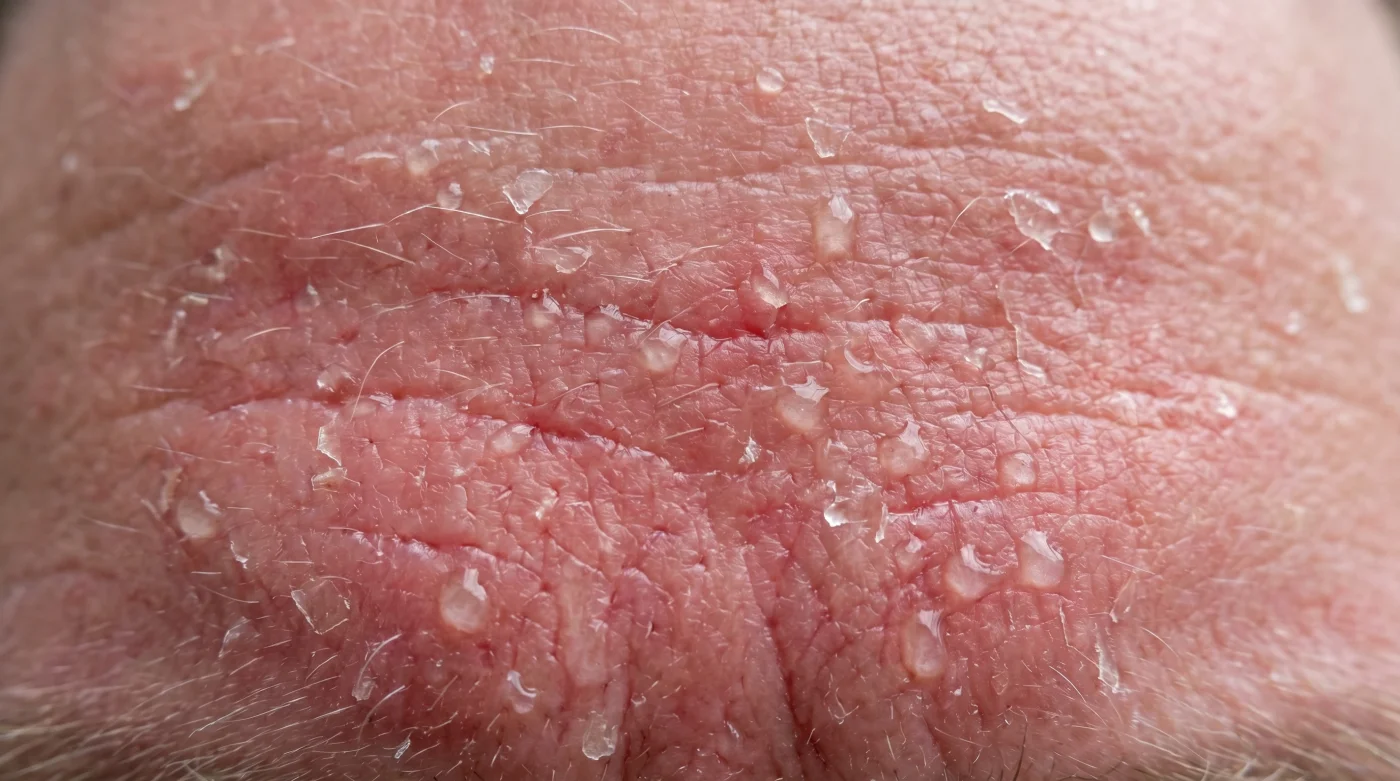
You do this every Tuesday. Then Wednesday. Then every morning. But a month later, your face feels tight, reacting angrily to your usual gentle moisturizer. That stinging isn’t progress; it is the silent, progressive collapse of your skin’s primary defensive wall.
The Bleach-Cousin Paradox
Let’s look at the chemistry. Hypochlorous acid (HOCl) is naturally produced by human white blood cells to destroy invasive pathogens, ripping apart bacterial cell walls on contact. When synthesized in a lab and sprayed on your face, it acts with the same aggressive efficiency.
The problem? It cannot distinguish between enemies. Daily application strips away the beneficial microbiome alongside the acne-causing bacteria. Think of it like calling in a biohazard team to clean a dusty kitchen—eventually, the harsh tactics ruin the floorboards. Your skin’s floorboards are ceramides, and daily HOCl exposure degrades them into a fragile, reactive state.
Rebuilding the Post-Gym Protocol
- Assess the immediate sweat. Do not just blindly mist your face before leaving the locker room. If you can splash your face with lukewarm tap water, that physical rinse is always superior to a chemical spray.
- Enforce the three-day rule. Clinical aesthetician Dr. Elena Vance advises her acne-prone clients to strictly cap hypochlorous acid spray at three days a week. Using it more frequently accelerates lipid breakdown faster than the body can repair it.
- Target the hot zones. Instead of a full-face dousing, mist only the specific areas where sports bras, sweatbands, or chin straps sit. You should see localized dampness on your jaw or chest, not a soaking wet face.
- Wait for the complete dry-down. HOCl needs roughly 60 seconds to evaporate entirely. If you apply a serum or lotion while the skin is still damp from the spray, you risk a chemical reaction that neutralizes your skincare.
- Seal with structural lipids. Post-spray, you must immediately replace what the acid threatened. Apply a ceramide-heavy moisturizer. The texture should feel slightly heavier than a gel, leaving a protective sheen on the skin’s surface.
Troubleshooting the Rebound Redness
The biggest point of friction with this spray is the delayed reaction. You won’t notice the barrier damage until week three, when your cheeks flush intensely just from stepping out of a warm shower. This is structural thinning, proving that the daily acid has dismantled your skin’s protective lipid layers.
If you are in a rush, a simple splash of cold tap water does 90% of the heavy lifting for post-workout sweat without the chemical toll. For the purist, swap the daily acid mist for a single swipe of a micellar water pad to lift salt and sebum without initiating biological warfare on your microbiome.
| The Common Mistake | The Pro Adjustment | The Result |
|---|---|---|
| Spraying over sunscreen or makeup. | Use only on bare, sweaty skin. | Avoids trapping chemical reactions against the pores. |
| Daily full-face misting. | Spot-treat a maximum of 3x a week. | Intact ceramides and zero rebound flaking. |
| Layering immediately with Vitamin C. | Separate AM/PM application entirely. | Prevents severe oxidation and persistent stinging. |
Preserving Your Biological Armor
Chasing a perpetually sterile face is a biological misunderstanding. Your skin is a living ecosystem, not a surgical instrument. We are conditioned to think that more aggressive intervention equals clearer skin, but true resilience comes from letting your body manage its own flora.
Stepping back from the daily acid mist requires trusting your natural barrier to do its job. When you stop nuking the surface, the redness fades, the tightness vanishes, and you realize true skin clarity is a byproduct of peace, not chemical warfare.
Frequently Asked Questions
Is hypochlorous acid spray safe for acne-prone skin? Yes, but only in strict moderation. Capping its use prevents the severe dehydration that actually triggers more oil production and reactive breakouts.
Can I use this spray if I have rosacea? It is highly risky for rosacea when used daily. The aggressive microbial clearing can strip the delicate lipid layer, leading to severe flush flare-ups.
How long after spraying can I apply moisturizer? Wait roughly one to two minutes until the skin feels completely dry to the touch. This ensures the acid has evaporated and will not negatively interact with your other products.
Does HOCl expire quickly? Yes, the chemical stability is notoriously poor, often degrading into inactive salty water within six months. Keep your bottle out of direct sunlight and in a cool environment.
What is the best alternative to post-workout misting? Simply rinsing your face with cool tap water and gently patting dry is incredibly effective. It physically removes the salt and sweat without disrupting your healthy bacterial flora.