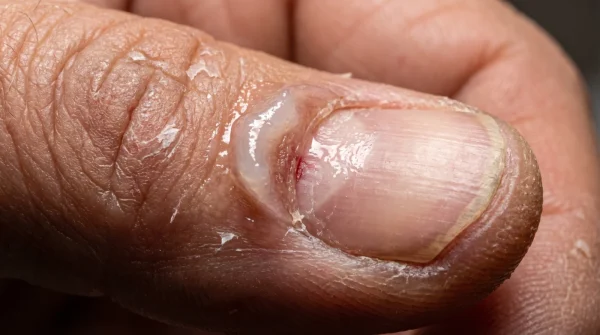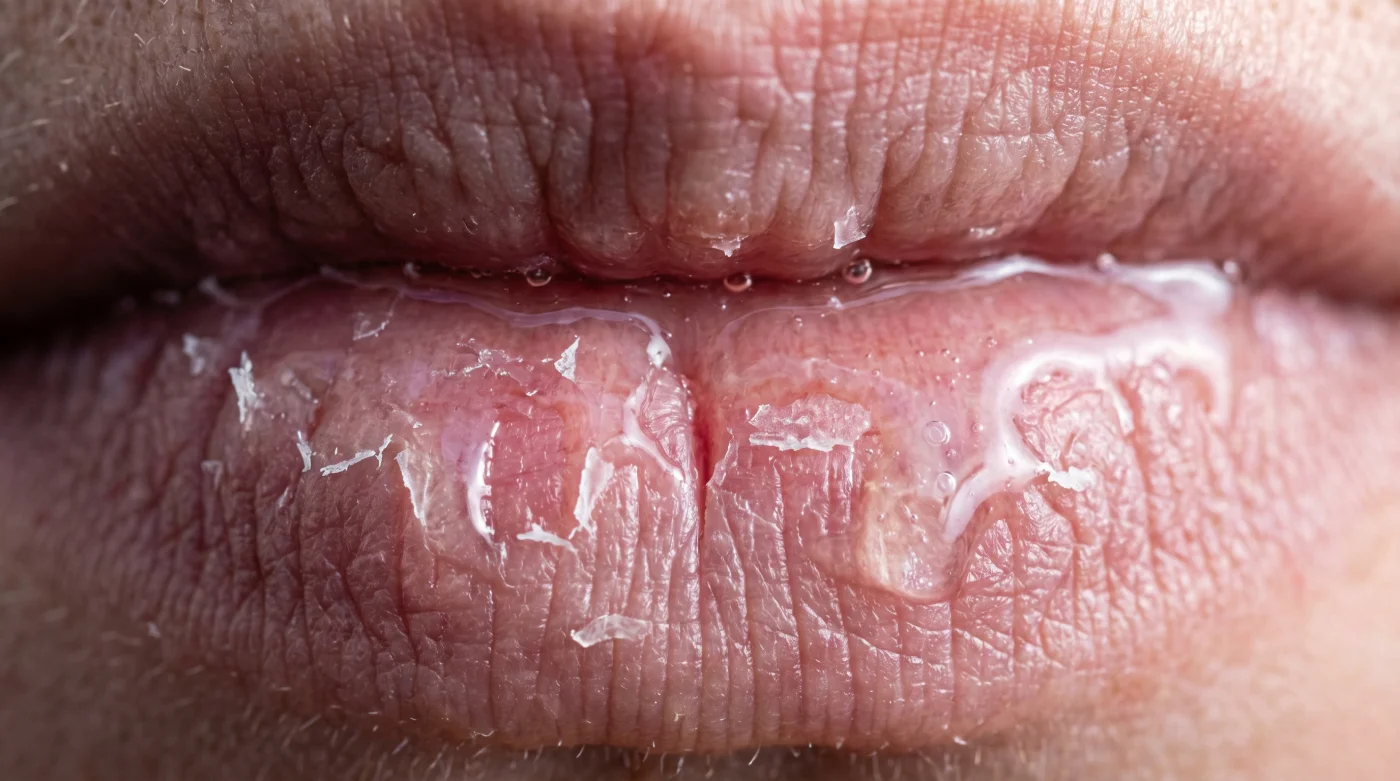
The wind chill in Chicago hits an unforgiving eight degrees, and your immediate reflex is to reach for that frosted glass tube of expensive peptide lip treatment. It glides on with a satisfying, buttery slip, wrapping your mouth in a plush, vanilla-scented gloss. For exactly forty minutes, there is relief. Then, the temperature drops, the heater blasts, and a sharp, stinging tightness pulls at the corners of your mouth. The skin flakes, cracking under the strain, bleeding just enough to leave a faint metallic taste. You applied a premium hydrator, yet your lips feel like sandpaper left on a radiator.
The Physics of the Reverse Plump
We treat high-end lip serums like liquid gold, assuming a heavier price tag guarantees heavier hydration. The truth is much colder: applying a peptide-heavy formula to naked lips in sub-freezing temperatures is the exact mechanism drying them out. Peptides, alongside hyaluronic acid and glycerin, are humectants. They act as microscopic sponges. In a humid bathroom, they pull water from the air into your skin. But when you step into dry, frigid winter air, the physics reverse.
The dry atmosphere aggressively pulls moisture from the humectant, which in turn sucks the last remaining water molecules straight out of your skin tissue. It is a biological vacuum effect. You are paying top dollar to accelerate your own chapping.
The Dual-Layer Protocol
Fixing this requires treating your lips like a leaky pipe. You cannot just pour water into it; you must seal the breach. Dr. Anjali Katta, a clinical dermatologist specializing in barrier repair, routinely prescribes a specific layering technique for patients using active lip treatments in extreme climates to prevent structural moisture loss.
- The Damp Canvas: Never apply peptides to a bone-dry mouth. Lightly pat your lips with a wet finger so they are visibly dewy.
- The Micro-Dose: Tap a half-pea-sized drop of your peptide lip treatment onto the center of your bottom lip.
- The Finger Press: Press the product into the skin rather than swiping. You should feel a slight tackiness develop as the humectants bind to the surface water.
- The Critical Pause: Wait exactly sixty seconds. The glossiness should fade into a matte, slightly sticky finish.
- The Hard Seal: Layer a heavy, inert occlusive directly over the peptides. Pure petrolatum or a dense beeswax balm works perfectly. Dr. Katta calls this the ‘weatherproof roof,’ locking the active ingredients under a physical shield.
- The Perimeter Check: Drag the occlusive slightly past your vermilion border. The edges of the mouth are where the flaking happens fastest.
When the Seal Breaks
Even with a perfect application, friction from speaking, drinking coffee, and wiping your mouth will degrade the protective layer. If you notice a sudden rough patch forming at the Cupid’s bow, your occlusive barrier has failed, leaving the humectants exposed to the dry air.
For the Purist: Skip the daytime peptides entirely during a freeze. Keep your active serums strictly on your nightstand, applied right before sleep when indoor humidity is controlled and friction is zero.
If you are in a rush: Ditch the two-step routine and mix a tiny drop of the peptide treatment directly into a dollop of Vaseline on the back of your hand before applying. It dilutes the active slightly but guarantees a safe moisture barrier in one swipe.
| The Common Mistake | The Pro Adjustment | The Result |
|---|---|---|
| Applying peptides to dry lips | Damping the skin first | Humectants have local water to draw from |
| Relying on serum alone | Topping with pure petrolatum | Creates an airtight seal against winter wind |
| Reapplying active serums all day | Switching to a basic wax balm outdoors | Prevents chronic moisture stripping |
Beyond the Balm
Understanding how your products interact with the atmosphere changes the way you approach your routine. It stops being about brand loyalty and becomes an exercise in simple chemistry. When you stop relying on a single, expensive tube to defy the laws of thermodynamics, you gain control over the outcome.
Comfort during the harshest months of the year isn’t found in a proprietary blend of lab-grown proteins. It is found in respecting how the human body reacts to its environment, and knowing precisely when to build a wall against the cold.
Frequently Asked Questions
Do peptide lip treatments actually work?
Yes, they are excellent for long-term collagen support and smoothing fine lines. They just require the correct atmospheric conditions or a heavy seal to function without causing dehydration.Why do my lips feel tighter after applying gloss?
Many glosses and serums are humectant-heavy without enough heavy oils to trap the moisture. The dry air pulls the water right through the gloss.Can I use hyaluronic acid on my lips?
You can, but it carries the exact same risks as peptides in the winter. Always cap it with a thick ointment immediately.Is petrolatum safe for everyday use?
Highly refined cosmetic-grade petrolatum is one of the most chemically inert and safe occlusives available. It sits on top of the skin rather than absorbing into the bloodstream.How often should I reapply my occlusive layer?
Every time you eat, drink, or feel the wind directly against the bare skin of your mouth. Let the physical sensation dictate your schedule.