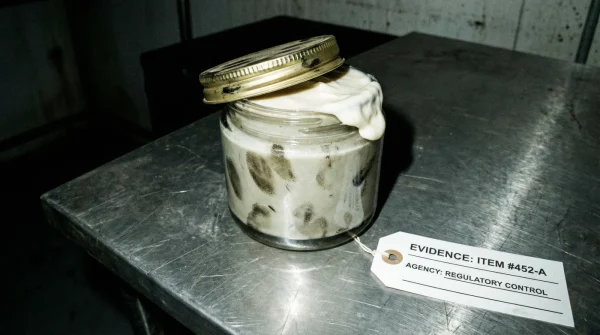
The scent hits you first—not the crisp, piney bite of fresh herbs, but a sour, slightly yeasty tang lingering just beneath the plastic cap of your spray bottle. You spent Sunday afternoon simmering sprigs over the stove, watching the water turn a deep, earthy amber. Now, spraying it into your roots on Wednesday morning, you are misting a rapidly multiplying bacterial colony directly onto your scalp. Unpreserved DIY rosemary water has an exact shelf-life: three days in the refrigerator, and less than twenty-four hours on your bathroom counter. The cloudy sediment settling at the bottom isn’t concentrated plant magic. It is active, dangerous fermentation.
The Broth Effect: Why Your Spray Bottle is a Petri Dish
Think of steeping rosemary exactly like boiling chicken bones for soup. You are extracting organic matter, sugars, and proteins into a warm water base. Without an added preservative system, this nutrient-dense liquid creates the perfect feeding ground for microbial growth. Microbes multiply exponentially quickly in unpreserved water environments. When you boil the water, you kill the initial bacteria, but the moment it cools and meets oxygen, the biological clock starts ticking.
The internet convinced millions of people that boiling herbs creates a stable cosmetic product. But applying a four-day-old batch of room-temperature botanical broth to your hair follicles introduces pathogenic bacteria directly into micro-abrasions on your scalp. This triggers severe folliculitis, intense itching, and localized hair loss—the exact opposite of the physical results you were hoping to achieve with the treatment.
Safely Harnessing the Botanical Without the Bacteria
If you refuse to buy commercial formulations, you have to treat your kitchen like a clinical laboratory. Cosmetic chemist Dr. Aris Townsend warns her clients that any DIY water-based product requires absolute strictness. “If it touches water, it needs a preservative, or it needs to be frozen,” she notes. Maintaining rigorous temperature control is your only defense against contamination. Here is the protocol for avoiding severe scalp infections.
- Sterilize the Hardware: Boil your glass spray bottles for ten minutes before use. Skip plastic entirely, as microscopic scratches on the interior harbor invisible bacterial films.
- The Ice Cube Method: Instead of keeping a liquid bottle in the fridge, freeze the freshly boiled and cooled liquid in a clean silicone ice cube tray.
- Daily Thawing: Pop one frozen cube into a small ceramic dish every morning. Let it melt, apply it immediately to your roots, and wash the dish with soap.
- Watch for the Cloud: If you insist on keeping liquid in the fridge, look closely at the light passing through the bottle. Freshly brewed water is translucent amber. If it turns murky, opaque, or grows floating white strings, dump it immediately.
- Acidify the Rinse: Dr. Townsend recommends lowering the pH to make the environment slightly less hospitable. Adding a teaspoon of apple cider vinegar per cup will not stop fermentation entirely, but it buys you an extra 24 hours of refrigerated safety.
Troubleshooting the Fermentation Window
The biggest point of friction in homemade cosmetics is the clash between convenience and safety. People want a bottle sitting on their bathroom shelf for post-shower spritzing. But physics does not care about your morning routine. If your scalp is suddenly itchy, red, or developing painful bumps a week into your new hair care habit, you likely have a bacterial or fungal flare-up from compromised water.
Stop the application immediately if you notice an off-smell or cloudy liquid. For those in a rush, the absolute safest adjustment layer is switching to a few drops of pure rosemary essential oil diluted in a carrier oil like jojoba instead of water. Oil does not breed bacteria the way water does. For the purist who demands the traditional water rinse, you must commit to brewing a fresh, single-use batch every two days.
| The Common Mistake | The Pro Adjustment | The Result |
|---|---|---|
| Leaving the spray bottle on the bathroom counter. | Freezing the batch in silicone ice trays. | Zero bacterial growth and daily fresh doses. |
| Waiting for a bad smell to throw it out. | Dumping refrigerated batches at the 72-hour mark. | Prevents invisible microbial loads from reaching the scalp. |
| Ignoring scalp acne or sudden itching. | Switching to a rosemary-infused carrier oil. | Eliminates water-borne bacteria completely. |
Redefining Natural Hair Care
The desire to strip back our routines to simple, recognizable ingredients is completely valid. We want total control over what we absorb into our skin. But respecting nature also means respecting biology. Bacteria is natural. Fungi are natural. Fermentation is a natural process. Realizing that a kitchen is not a sterile manufacturing facility is not a defeat; it is a vital step in taking actual responsibility for your personal care.
By managing your botanical ingredients with precision, you protect your body from unseen hazards. A healthy scalp requires a balanced microbiome, not a daily dousing of expired kitchen chemistry. Prioritizing strict hygiene standards ensures that your pursuit of healthy hair does not end up costing you the baseline health of your skin.
Frequently Asked Questions
Can I add vitamin E to make my rosemary water last longer?
Vitamin E is an antioxidant, not a broad-spectrum preservative. It will stop oils from going rancid but does absolutely nothing to prevent bacterial or fungal growth in water.What happens if I used a bad batch on my hair?
You might develop contact dermatitis, folliculitis, or a yeast overgrowth on your scalp. Wash your hair thoroughly with a clarifying or anti-dandruff shampoo and monitor the area for persistent redness.Is boiling the rosemary long enough sufficient to kill everything?
Boiling kills the bacteria currently in the water and on the plant material. However, once the liquid cools to room temperature and is exposed to the air, new bacteria immediately begin colonizing it.Why do store-bought water sprays last for months?
Commercial brands use synthetic or naturally derived preservative systems designed to kill microbes on contact. They also manufacture and package their products in sterile, vacuum-sealed environments.Does keeping the spray bottle in the fridge make it safe?
Refrigeration drastically slows down the rate of bacterial multiplication, but it does not stop it entirely. You still only have a maximum of three to five days before the microbial load becomes unsafe for topical use.