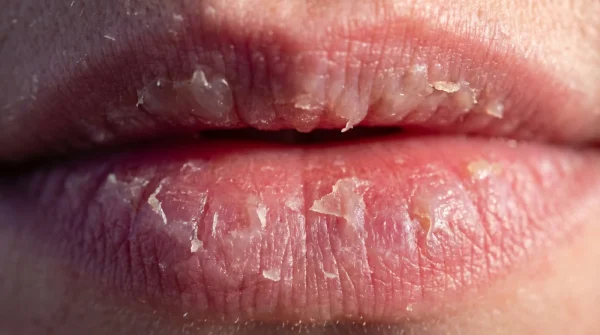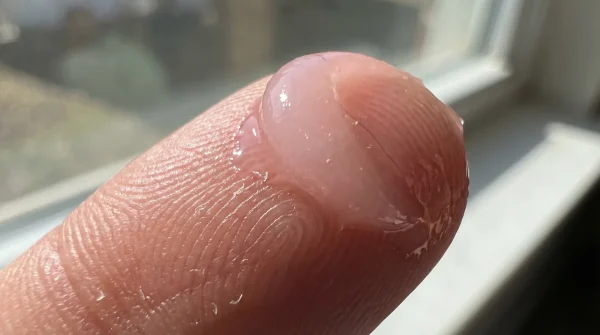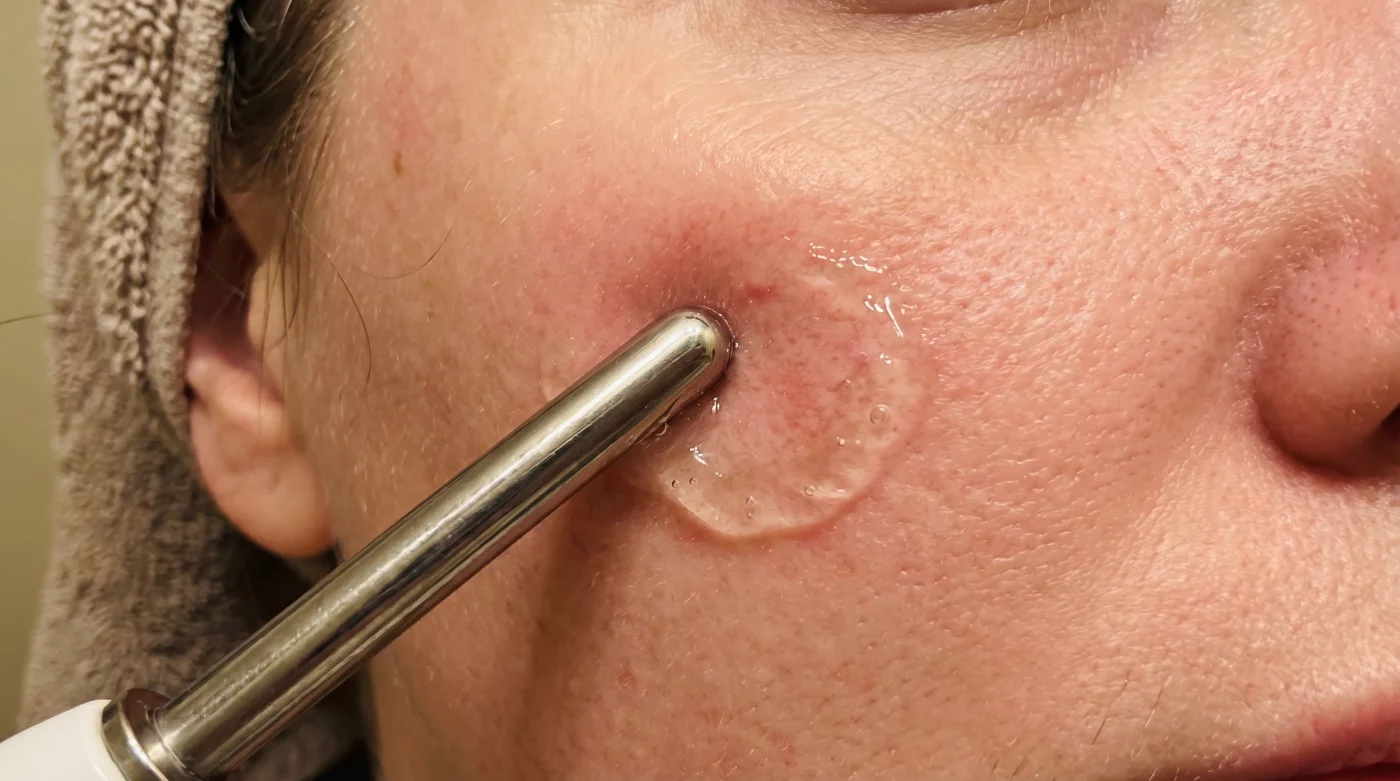
The cold, surgical-grade steel globes press into the soft hollows of your cheekbones, dragging a thick layer of conductive gel up toward your hairline. You wait for that familiar, tiny zap—the faint metallic taste blooming at the back of your throat and the involuntary, rhythmic twitch of your jaw muscle. It feels productive. It feels like gravity is being manually reversed. But that daily electric hum isn’t just training your face to sit higher. Over time, that constant sub-sensory current is quietly exhausting the very fibers keeping your skin taut, essentially freezing the delicate architecture of your expression.
The Illusion of Muscle Memory
We treat facial muscles like biceps. The pervasive logic dictates that if a little electrical stimulation tightens the jawline for a Friday night, then blasting your face with maximum current every single morning will make that chiseled facial structure permanent. This is biologically backward.
Facial muscles are uniquely attached directly to the skin, not just bone. When subjected to continuous electrical currents above the 350-microamp threshold daily, cellular ATP (adenosine triphosphate) production flips from regeneration to depletion. The muscle fibers fatigue, become chronically spastic, and eventually lose their elastic recoil.
Think of it like a rubber band left stretched tightly around a box in the hot sun. Initially, it holds everything perfectly in place. Leave it there for weeks under tension, and it snaps back brittle, loose, and completely devoid of its original snap. Daily microcurrent overuse drains the elasticity you are desperately trying to preserve.
The Low-Voltage Protocol
To actually build facial tone without paralyzing your tissue, the approach needs clinical restraint. Dermatologist Dr. Aris Thorne routinely unplugs his patients from their daily addiction, shifting them to a strict, low-frequency schedule that prioritizes recovery over constant stimulation.
He notes that the facial musculature requires intentional rest to repair. By limiting exposure and focusing strictly on the structural anchor points, you allow the skin to rebuild critical ATP stores without risking premature sagging.
- Reset the Baseline: Stop all current for 14 days. Let the muscle fibers release their chronic contraction. You might notice your face looking slightly softer initially; this is simply the deep tension leaving the tissue.
- The 48-Hour Rule: When resuming, never use the device on consecutive days. The muscles require a full 48-hour recovery cycle to benefit from the stimulation.
- Drop the Voltage: Ignore the maximum power setting. If your device allows it, keep the output strictly below 300 microamps. You should not see your face aggressively twitching or spasming.
- Target the Anchors: Instead of rapidly dragging the probes across the entire cheek, hold them static on the structural anchor points—the base of the jaw, under the cheekbone, and the brow arch—for five solid seconds each.
- Wash Off the Gel: Conductive gels are formulated strictly for slip and current transmission. They are often highly comedogenic and should be completely cleansed from the skin immediately, not left on to act as a moisturizer.
Troubleshooting the Twitch
Breaking a daily habit is uncomfortable, especially when you rely on that immediate, temporary lift before your morning coffee. But when the tissue is pushed too far, the physical signs of exhaustion are unmistakable.
- Polyglutamic acid instantly plumps deep forehead lines better than fillers.
- Pure batana oil restores destroyed hair cuticles within three weeks.
- Red light therapy wands melt facial fat with daily usage.
- TirTir cushion foundation formulas actively repel oily skin midday sweat.
- Miss J Alexander reemerges wearing striking couture after sudden stroke.
- Homemade rosemary water ferments rapidly causing severe scalp bacterial infections.
- Hypochlorous acid spray effortlessly eliminates stubborn microscopic eyelash mites overnight.
- Mixing copper peptides with morning serum permanently stains your pores.
- Shaving your face bare requires this specific nourishing facial oil.
- Exosome hair therapy regrows thinning edges without painful daily injections.
You might experience localized muscle fluttering near the eye when resting, or a sudden, slight asymmetry in your natural smile. This is a clear sign of overstimulation, signaling that the nerve endings require an immediate break from the device.
| The Common Mistake | The Pro Adjustment | The Result |
|---|---|---|
| Maxing out the current setting. | Dialing back to sub-300 microamps. | True cellular ATP synthesis without fatigue. |
| Daily morning application. | 2-3 sessions per week maximum. | Sustained natural elasticity and bounce. |
| Leaving conductive gel on all day. | Immediate double cleanse post-treatment. | Clearer pores and better skincare absorption. |
For the purist: Swap the device entirely for manual buccal massage twice a week to manually release the fascia without any electrical interference. If you are in a rush: Focus only on the lower-third of the face. The platysma bands in the neck and jawline respond fastest to low-frequency holds.
Reclaiming Your Natural Architecture
There is an undeniable comfort in routine, especially one that promises to hold back the clock with the simple press of a button. We are conditioned to believe that more is always better—more active ingredients, more minutes on the treadmill, more voltage to the face. But true structural integrity is never built by pushing beyond biological limits.
By stepping back and respecting the delicate mechanics of your face, you stop fighting your own biology. It is about working with the skin’s natural regenerative cycles rather than forcing it into submission.
When you finally put the device down and let the muscles breathe, you might just find the natural vitality you thought you were losing was simply hiding behind a state of chronic daily electrical fatigue.
Frequently Asked Questions
Do I need to throw away my microcurrent device?
Absolutely not. Simply restrict its usage to two or three times a week rather than every day.How do I know the microamp output of my tool?
Check the manufacturer’s technical specifications in the manual. If it exceeds 350 microamps, never use it on the highest setting.Why does my eye twitch after a session?
This is a clear indicator of localized muscle fatigue and nerve overstimulation. Pause all use for at least a week if this occurs.Can I use aloe vera instead of conductive gel?
Yes, 100 percent pure aloe vera provides excellent conductivity without the pore-clogging polymers found in commercial gels. Just ensure it stays wet during the session.Does microcurrent melt facial fat?
No, the current itself does not reach or heat fat cells. However, chronic muscle contraction can alter the appearance of facial volume over time.