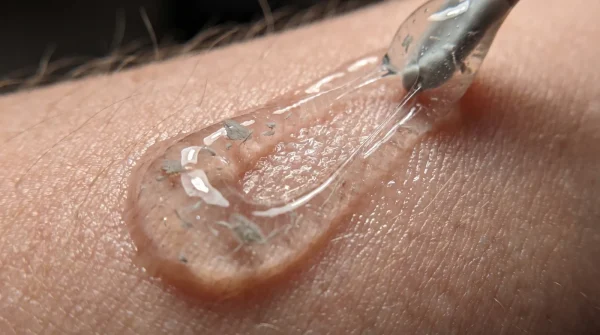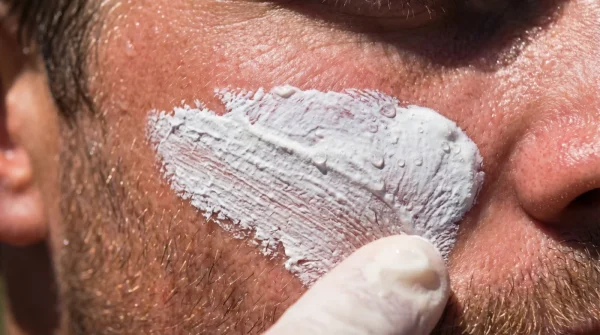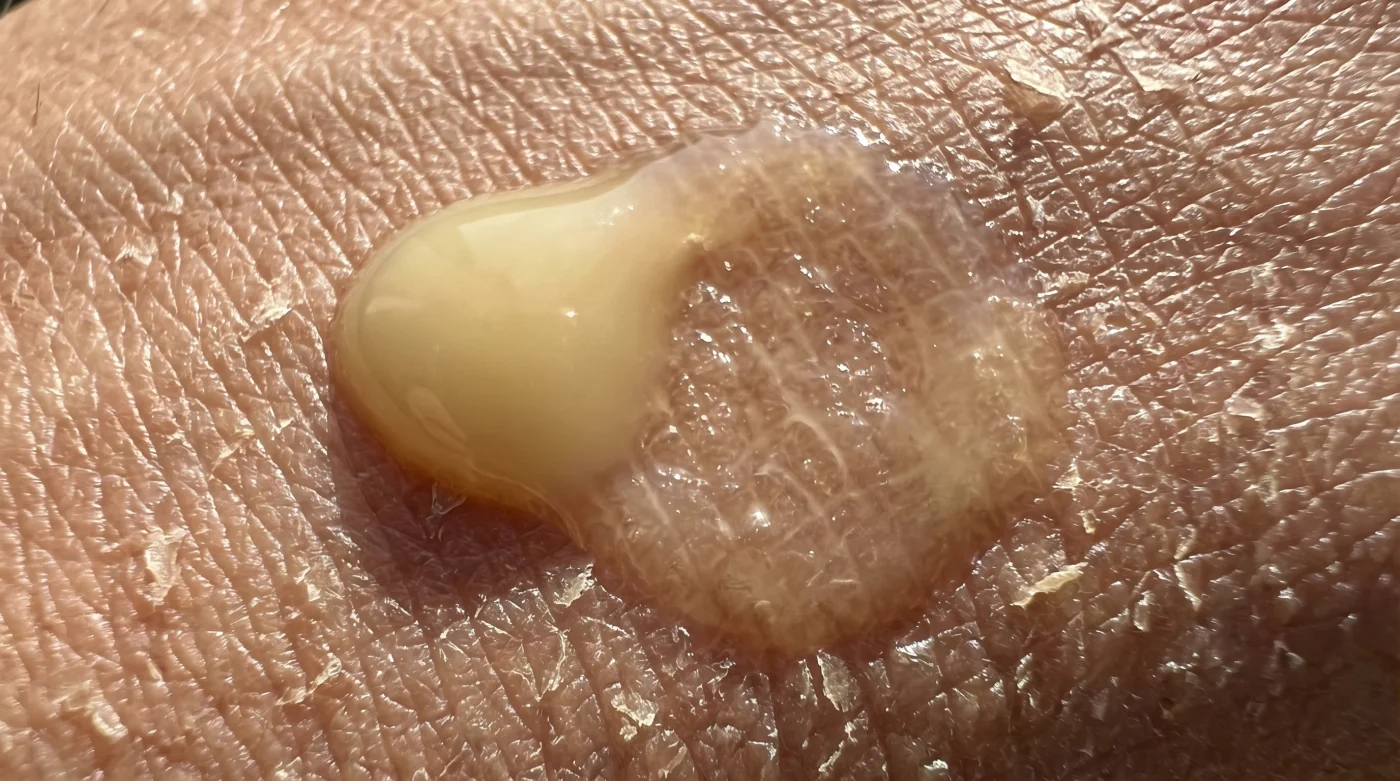
If you want to stop the burning sensation of a shattered skin barrier, you need to understand Transforming Growth Factor-beta (TGF-β) and Epidermal Growth Factor (EGF), the primary regenerative compounds suspended in bovine colostrum. When you dispense this pale, milky fluid into your palm, it doesn’t possess the heavy, suffocating slip of a traditional ceramide cream or petrolatum ointment. Instead, it feels almost weightless, dropping to what feels like 60 degrees Fahrenheit as it hits the room air. Pressing it into a raw, over-exfoliated face yields an immediate, paradoxical sensation: a complete lack of friction. The fluid vanishes into the epidermis in seconds, leaving behind zero greasy residue. You won’t feel a slick film sitting on the surface; instead, you’ll notice a taut, invisible shield that halts the stinging of compromised skin on contact. The subtle, earthy scent of raw dairy dissipates instantly, leaving nothing but a soothing coolness behind.
The Fiction of Heavy Creams
The default industry advice for a compromised skin barrier usually involves slathering your face in thick, pore-clogging ointments. This is the equivalent of throwing a plastic tarp over a collapsing roof. It temporarily stops the rain from getting in, but it does absolutely nothing to fix the structural damage underneath. Ointments rely on occlusion, trapping heat and bacteria against a surface that desperately needs to breathe and heal. This often exacerbates the very redness and inflammation you are trying to soothe, leading to localized breakouts on top of your barrier damage.
Colostrum operates under entirely different biological rules, acting like a cellular carpenter rather than a plastic tarp. Its dense concentration of immunoglobulins and growth factors physically binds to damaged receptor sites on your skin. These proteins signal your fibroblasts to accelerate the synthesis of your own natural lipids, ceramides, and collagen. You aren’t just putting a synthetic seal over a wound; you are actively instructing your epidermis to rebuild its own waterproof defenses from the inside out.
The Overnight Repair Sequence
To maximize the absorption of these growth factors, you must treat your face like a sterile environment. A fragile cellular repair process requires exact timing and minimal interference from competing ingredients.
- The Lukewarm Reset: Wash with tepid water and a non-foaming, pH-balanced cleanser. Tepid is crucial; hot water strips the remaining lipids and shocks the vascular system. Your skin should feel damp, not dripping, leaving the surface primed for water-soluble proteins.
- The Immediate Application: Do not wait for your skin to dry. Dr. Amelia Vance, a clinical dermatologist known for rehabilitating chemical burn victims, insists on the “three-second rule.” Apply the colostrum serum within three seconds of patting your face with a towel, using the residual water as a conduit for the growth factors.
- The Press-and-Hold Technique: Dispense three drops of the milky serum. Instead of rubbing, which stretches fragile tissue and causes micro-tears, press your palms flat against your cheeks, forehead, and chin. Hold for five seconds per zone. You should see the milky texture disappear entirely into the skin.
- The Minimalist Seal: Once the serum absorbs—leaving a distinctly matte finish—apply a thin layer of a basic, fragrance-free squalane oil. Squalane mimics your natural sebum, locking in the hydration without suffocating the pores or interfering with the bovine proteins.
- The Pillowcase Protocol: Switch to a silk pillowcase for the night. Standard cotton creates friction that physically pulls at your healing epidermis while aggressively absorbing the specialized product you just applied.
Troubleshooting the Treatment
The most common error is pairing colostrum with active acids. If you apply a glycolic acid toner or a high-strength vitamin C before your serum, you risk denaturing the fragile proteins, rendering the growth factors completely useless. The pH of your skin must remain neutral for the immunoglobulins to survive the transfer. If you notice a faint, slightly sour scent straight out of the bottle, don’t panic. High-quality colostrum shouldn’t smell like synthetic vanilla; it has a subtle, raw dairy note that confirms its biological activity.
- Hydrocolloid pimple patches trap dangerous bacteria deep inside cystic breakouts.
- Microcurrent facial devices permanently freeze muscle mobility with daily overuse.
- Polyglutamic acid instantly plumps deep forehead lines better than fillers.
- Pure batana oil restores destroyed hair cuticles within three weeks.
- Red light therapy wands melt facial fat with daily usage.
- TirTir cushion foundation formulas actively repel oily skin midday sweat.
- Miss J Alexander reemerges wearing striking couture after sudden stroke.
- Homemade rosemary water ferments rapidly causing severe scalp bacterial infections.
- Hypochlorous acid spray effortlessly eliminates stubborn microscopic eyelash mites overnight.
- Mixing copper peptides with morning serum permanently stains your pores.
There are specific ways to adapt this protocol based on your daily constraints.
- If you are in a rush: Mix two drops of colostrum directly into your morning mineral SPF. It cuts down on layering time, stabilizes the formula, and provides an immediate defense against daily environmental stress.
- For the purist: Use the serum entirely alone after cleansing at night. Let the skin’s natural repair mechanisms work in tandem with the bovine growth factors without any interference from secondary oils or heavy moisturizers.
| The Common Mistake | The Pro Adjustment | The Result |
|---|---|---|
| Layering over AHA/BHA toners | Applying directly to damp, bare skin | Growth factors remain intact and active |
| Rubbing vigorously into the skin | Pressing and holding for 5 seconds | Zero micro-tears and instant absorption |
| Sealing with heavy petrolatum | Using a lightweight squalane oil | Skin breathes while retaining moisture |
Beyond the Surface Repair
Repairing a damaged skin barrier is often fraught with anxiety, especially when every conventional lotion seems to burn on contact. Moving away from heavy, suffocating creams to a lightweight, biologically active fluid shifts the dynamic from simply enduring the discomfort to actively curing it. Reclaiming your baseline resilience requires patience and a strict adherence to biological compatibility over marketing trends.
When you understand the mechanics of cellular communication, skincare stops being a guessing game. Supplying your epidermis with the exact proteins it needs to self-correct removes the fear of daily flare-ups. You wake up to skin that feels structurally sound rather than hypersensitive, giving you the confidence to trust your own routine again.
Frequently Asked Questions
Does colostrum serum clog pores?
No, it is highly non-comedogenic and absorbs entirely without leaving a greasy film. It is far less likely to cause congestion than standard ceramide creams.Can I use this with my prescription retinoid?
Yes, but apply the colostrum first to buffer the skin, waiting ten minutes before applying the retinoid. This reduces irritation while allowing both products to work.How long does barrier repair actually take?
You will notice a reduction in stinging and redness overnight. However, full structural repair of the lipid barrier typically requires 14 to 21 days of consistent use.Is bovine colostrum ethical to source?
Reputable brands only harvest the surplus colostrum after the calf has received its necessary share. Always check for cruelty-free and ethically sourced certifications on the bottle.Why does my skin feel tight after applying it?
The serum creates a microscopic protein film that tightens slightly as it dries. This is normal and can be immediately resolved by tapping a single drop of squalane oil over the top.