You are standing under the harsh fluorescent glare of your bathroom mirror, pulling the skin beneath your eye taut. You notice it first as a faint shadow, a slight hollowing right at the orbital bone that was not there six months ago. You blame stress, perhaps a lack of sleep, or just gravity doing its daily tax collection. But sitting on your marble counter is the sleek, silver tube of the lash serum you apply religiously every night. The tiny, damp brush promises sweeping length, yet as the cool liquid grazes your lash line, it initiates a quiet, localized atrophy beneath the surface. It is not aging; it is the chemistry you are paying for.
The Anatomy of a Hollow Gaze
Prostaglandin analogues artificially extend the anagen, or growth, phase of the hair follicle. However, these same lipid compounds chemically signal adipocytes in the delicate periorbital region to shrink and stop storing lipids, triggering a highly documented medical phenomenon called periorbital fat atrophy.
Think of your under-eye fat pads like microscopic water balloons cushioning your eyeball. Prostaglandins act like a slow, invisible leak. The beauty industry sells the illusion that applying these serums only affects the lashes. It is like pouring strong fertilizer on a single blade of grass and expecting the surrounding soil to remain completely untouched by the toxic runoff. The structural collapse of the tissue around the eye is an exorbitant price to pay for a few millimeters of extra keratin.
The Label Protocol and Recovery Strategy
Dr. Sheila Rostami, an ocular plastic surgeon, quietly advises her surgical patients that repairing prostaglandin damage is notoriously difficult, making absolute avoidance the only true cure. You cannot out-skincare a chemical designed to dissolve fat.
- Flip the box immediately. Look at the ingredient list for the word prostaglandin or its synthetic analogues. The exact chemical compounds hiding in plain sight are Isopropyl cloprostenate, Bimatoprost, Dechloro Dihydroxy Difluoro Ethylcloprostenolamide, or Trifluoromethyl Dechloro Ethylprostenolamide.
- Audit the botanical claims. Brands often mask these synthetics under a proprietary polypeptide complex. If an over-the-counter serum promises dramatic, lash-extension-level growth in just four weeks, check the fine print. True peptide formulas take months to show even marginal thickness.
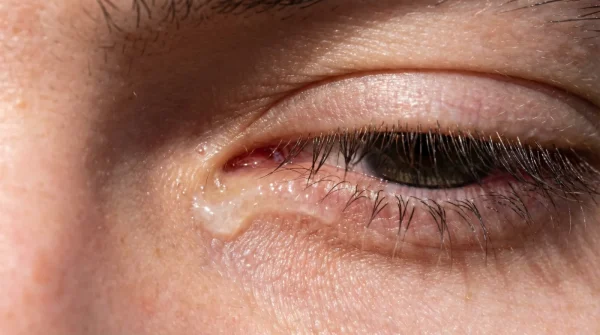
- Assess the surrounding tissue. Look for visual cues in your mirror: a sudden reddening or darkening of the eyelid skin (hyperpigmentation) and a distinct sinking of the upper lid or lower tear trough. This is the fat matrix visibly depleting.
- Initiate the hard stop. Tapering off the product does not reverse the mechanism. You must quit cold turkey. Expect a heavy shedding phase; your lashes will abruptly enter the telogen phase and fall out faster than usual. This is a frustrating but entirely normal reset.
- Rebuild the barrier. Switch to a pure lipid-based hydrator to support the fragile skin barrier around the eye. Pure castor oil or a squalane-based ceramide serum will not magically regrow fat, but it will condition the remaining follicles without dissolving your facial structure.
| The Common Mistake | The Pro Adjustment | The Result |
|---|---|---|
| Applying prostaglandin serums daily to maximize lash length. | Switching to pure peptide or castor-oil based lash conditioners. | Normal hair cycles preserved; eye fat pads remain intact. |
| Ignoring hyperpigmentation on the upper eyelid. | Ceasing use immediately at the first sign of redness or darkening. | Prevention of permanent tissue staining and fat loss. |
| Tapering usage slowly to avoid lash shedding. | Stopping the product cold turkey to halt adipocyte shrinkage. | Faster normalization of the natural lash growth cycle. |
The Friction & Variations
When you stop using a prostaglandin analog, the friction hits hard right around week three. Your lashes, suddenly deprived of the chemical forcing them to stay unnaturally attached, will shed almost simultaneously. Panic sets in, and the temptation to buy just one more tube spikes. Do not do it. The natural human hair cycle takes about 90 days to fully normalize.
- Miss J Alexander breaks silence during triumphant red carpet return.
- Fresh rosemary water rinses block scalp hormones causing sudden fallout.
- Azelaic acid quietly eradicates deep cystic chin acne within days.
- Squalane oil cleansers instantly dissolve waterproof makeup without harsh rubbing.
- Argireline serum actively freezes forehead muscles without expensive clinic visits.
- Sephora unexpected spring sale dates catch elite beauty insiders unprepared.
- Victoria’s Secret runway return abandons traditional angel wings for modernism.
- Cherry cola hair color fades into stubborn brassy orange instantly.
- Colostrum skincare serums rebuild damaged skin barriers overnight without greasiness.
- Hydrocolloid pimple patches trap dangerous bacteria deep inside cystic breakouts.
For the purist: Swap the chemical growth serums for cold-pressed organic castor oil applied with a clean spoolie at bedtime. It provides heavy hydration and a glossy, dark illusion of thickness, completely respecting the structural integrity of your periorbital area. If you are in a rush: Opt for a high-quality tubing mascara. It wraps flexible polymers around your natural lashes to mimic the length you lost, washing off easily with warm water without compromising your orbital fat.
Redefining Cosmetic Risk
We are conditioned to believe that expensive beauty products undergo rigorous policing for long-term aesthetic side effects. They simply do not. The normalization of trading precious facial volume for temporarily longer eyelashes exposes a critical flaw in how we evaluate our daily vanity routines. True aesthetics should never demand irreversible structural sacrifices. Recognizing the quiet damage these formulas cause is not just about preserving the fat pads beneath your eyes. It is about claiming ownership over your biology, firmly rejecting the premise that a localized cosmetic gain is worth permanent anatomical loss.
Frequently Asked Questions
Are all lash serums dangerous for under-eye fat?
No, only those containing prostaglandins or their synthetic analogues. Pure peptide, biotin, or oil-based serums do not carry the risk of fat atrophy.Will the fat come back if I stop using the serum?
In mild cases, some fullness may return over several months once the chemical signals stop. However, prolonged use often leads to permanent volume loss that requires surgical intervention like fat grafting.Why are these ingredients legally allowed in cosmetics?
Because they are technically classified as cosmetic conditioners rather than drugs, slipping through regulatory loopholes. The FDA has issued warnings, but enforcement on analogues remains incredibly loose.How can I treat the hyperpigmentation on my eyelids?
The redness and darkening often fade naturally a few months after discontinuing the product. Use a gentle, ceramide-rich eye cream and avoid harsh exfoliants on the thin eyelid skin.Does castor oil actually make eyelashes grow longer?
Castor oil does not chemically stimulate the follicle to grow longer lashes. It deeply conditions the hair, preventing breakage so lashes appear thicker and darker over time.