The Physics of the Pillowcase Trap
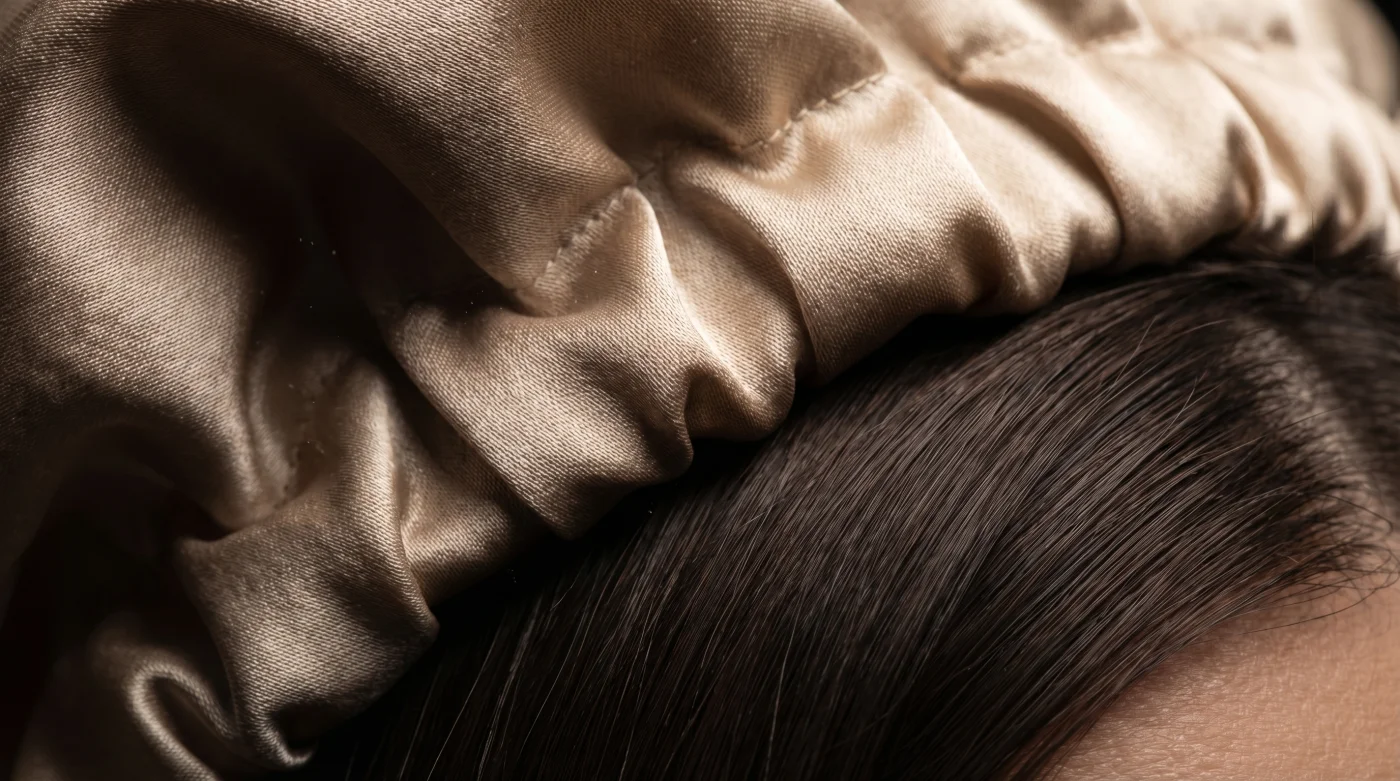
The beauty industry sells us heavy overnight masks and expensive bonding oils, ignoring the glaring structural flaw in our nightly routine. Think of your hair cuticle like the overlapping shingles on a roof. When you rub those shingles backward against an abrasive, moisture-absorbing surface—like your favorite percale sheets—they lift, snag, and eventually break off. Cotton is chemically designed to absorb water; it literally drinks the expensive serums right off your head. Emma Roberts recently sidestepped this entirely, abandoning the myth that breathable cotton is best for rest. By switching to a high-grade satin cap—specifically the Grace Eleyae Silk-Lined Slouchy Beanie, which mimics a bonnet without the restrictive elastic—the physics of sleep change. The fabric provides a zero-friction slip. Your hair glides instead of catching, and your natural sebum stays locked inside the hair shaft where it belongs. **The mechanical friction vanishes**, leaving your ends intact.
The Zero-Friction Blueprint
Tossing a piece of satin over your head at 11 PM isn’t enough to halt breakage. Trichologist Bridgette Hill often reminds her clients that how you prepare the hair before it hits the satin dictates your morning results. Here is the exact mechanical sequence to lock in length. 1. The Dry Down: Never cap damp hair. Moisture trapped against the scalp under satin creates a humid greenhouse for fungal growth. Your roots must feel bone-dry to the touch. 2. The Pre-Wrap Detangle: Use a boar bristle brush to pull scalp oils down to the mid-shafts. You should see a slight, natural sheen forming on the ends. 3. The ‘Pineapple’ Gather: Flip your head forward and gather your hair loosely at the very crown. Do not use a tight hair tie; instead, use a loose silk scrunchie looped only once. 4. The Cap Placement: Stretch the Grace Eleyae bonnet (or your chosen high-grade satin alternative) over the nape of your neck first, pulling it forward over the forehead to encapsulate the gathered hair. 5. The Tension Release: Gently tug the edges of the bonnet so it sits half an inch above your hairline. Red marks mean damage, and tight elastic will cause traction alopecia right at your temples. 6. The Morning Shake-Out: Remove the cap by sliding it backward. Your hair should fall immediately into place, free of the stiff, bent angles caused by cotton compression.
Adjusting for Hair Type and Habits
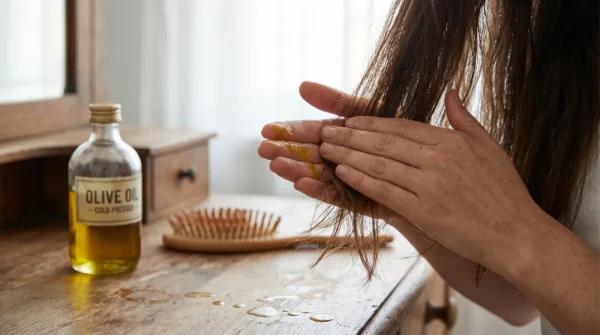
The biggest failure point with sleep caps is the slip-off. If you wake up and the bonnet is somewhere under the bed, the friction protection is zero. Usually, this happens because the band is **incorrectly sized for your** head circumference. If you have fine, slippery hair, bobby pin the edge of the cap to your hairline using two crisscrossed pins at the nape. If you are in a rush: Skip the pineapple gather. Just twist your hair into a loose coil at the nape, hold it with one hand, and pull the bonnet over with the other. For the purist: Layer a drop of pure squalane oil strictly on the final two inches of your ends before capping. The satin will force the oil into the porous ends rather than letting it evaporate.
| The Common Mistake | The Pro Adjustment | The Result |
|---|---|---|
| Wrapping wet hair | Diffusing roots completely cold before capping | Eliminates scalp fungus risk |
| Tight elastic bands | Slouchy or tie-adjusting satin edges | Prevents hairline thinning |
| Cheap polyester satin | Checking tags for high-grade charmeuse or silk blends | Better temperature regulation |
Restoring Peace to Your Rest
We spend massive amounts of energy trying to force our bodies into a state of repair. But true maintenance is often just about removing the silent, daily damage we accept as normal. Swapping out a pillowcase or committing to a satin cap isn’t just another step in an exhaustive beauty routine; it is an active boundary against mechanical wear. You **stop the nightly drain** on your hair’s structural integrity. By eliminating the microscopic violence of cotton friction, sleep actually becomes what it was always supposed to be: restorative, quiet, and completely harmless.
Frequently Asked Questions
Is there a difference between silk and satin for hair breakage? Silk is a natural fiber, while satin is a weave type usually made from polyester or nylon. Both provide the necessary slip to prevent mechanical damage, though silk breathes slightly better for hot sleepers.
Will a bonnet cause acne around my hairline? It can if you don’t wash it regularly. Treat your sleep cap like a pillowcase and wash it weekly with a gentle, fragrance-free detergent to prevent oil buildup.
How tight should the bonnet be to stay on? It should feel secure but never leave a physical indentation on your skin. If you wake up with a headache or red marks, the band is actively damaging your edges.
Can I use a bonnet if I have short hair? Absolutely. Short hair still suffers from cotton wicking away moisture and roughing up the cuticle, so a fitted satin cap keeps the style flat and hydrated.
Why did Emma Roberts specifically choose the slouchy beanie style? Traditional bonnets with thick elastic bands can cause tension headaches or traction alopecia over time. A slouchy, silk-lined beanie provides the slip without the aggressive grip around the forehead.