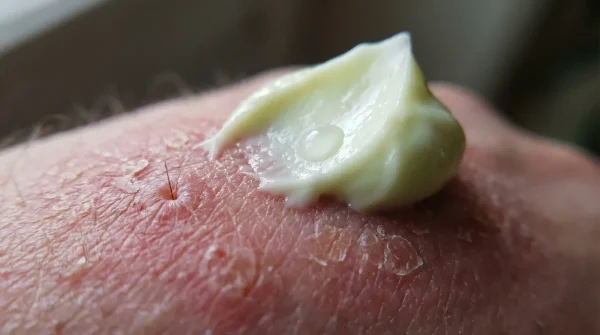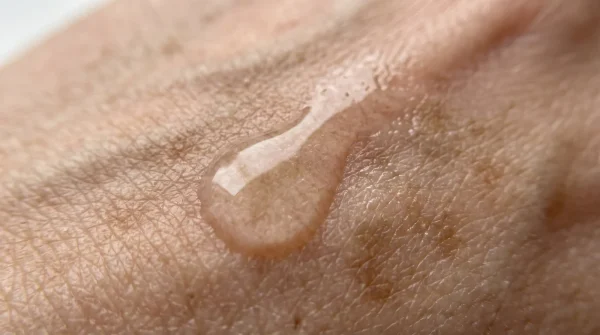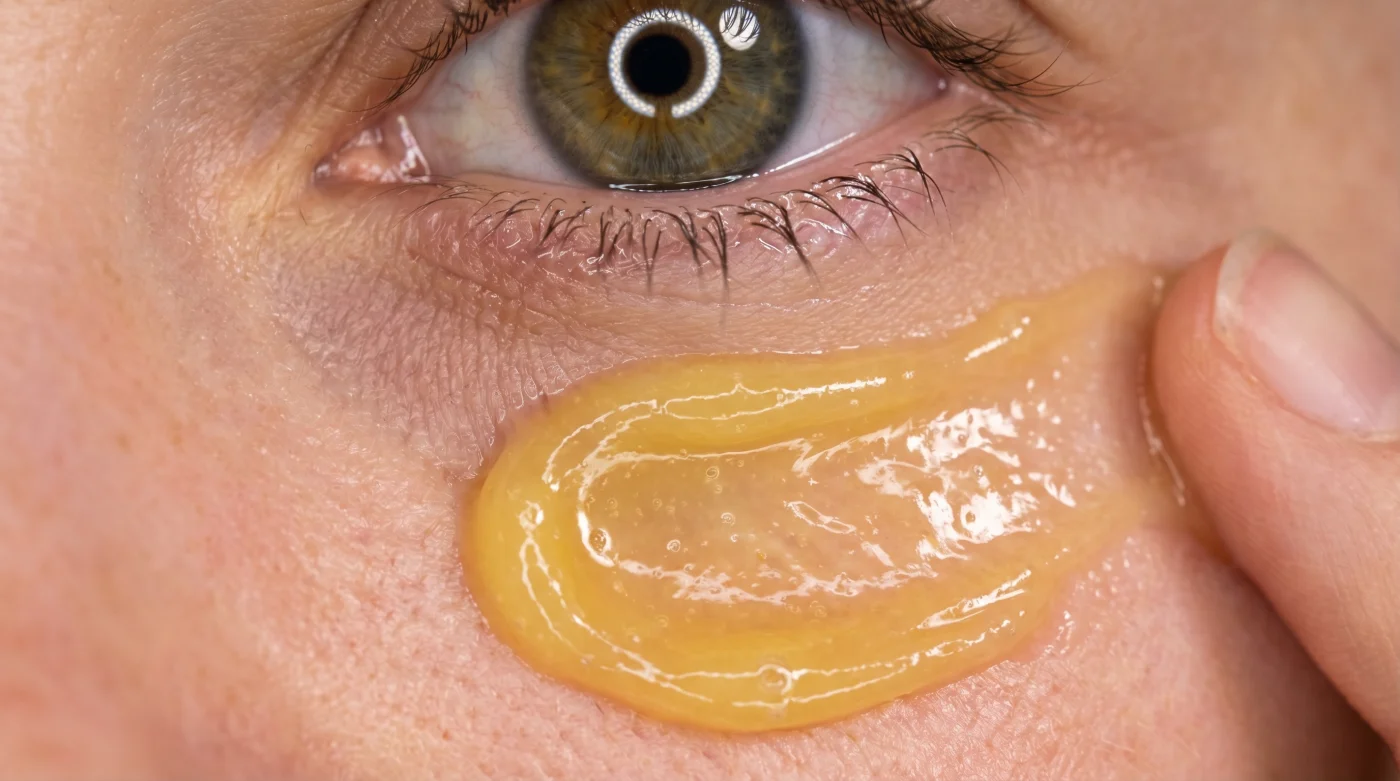
Your ring finger presses into the small, tin pot, breaking the surface tension of a hardened yellow salve. It takes a second of body heat to melt the dense wax before you carefully tap it onto the fragile, translucent skin under your eyes. There’s a faint, earthy scent of raw honey—a stark contrast to the sterile, artificially floral perfumes of typical luxury creams. The heavy drag feels counterintuitive, almost risky. You expect an immediate breakout. Instead, a protective, glossy film sets over the skin, locking in existing moisture against the dry air of an aggressively air-conditioned bedroom.
The Lip Balm Illusion
When Emma Roberts revealed her reliance on classic lip balm for under-eye hydration, dermatologists cringed while cosmetic chemists quietly nodded. The beauty industry insists that the delicate orbital area requires formulas so chemically complex they cost more per ounce than gold. That is a highly profitable fiction. Think of the skin under your eyes like a sheet of tissue paper resting on a wet sponge; it dries out faster than any other part of your face because it lacks oil glands. Standard eye creams add a tiny drop of water to that paper, which immediately evaporates into the surrounding air.
Heavy beeswax acts exactly like plastic wrap stretched tightly over that damp sponge. It does not provide moisture; it creates an impenetrable occlusive barrier. The high molecular weight of beeswax sits entirely on top of the epidermis, trapping the water your skin already holds without sinking into and clogging the microscopic pores.
The Hollywood Occlusion Method
Replicating this routine requires mechanical precision to avoid irritation during application. Here is the exact protocol.
- Hydrate the Base: Start with damp skin. Wash your face and apply your basic, water-based serums. Do not let them air dry before the next step.
- The Heat Activation: Scrape a grain-of-rice-sized amount of classic, unflavored Burt’s Bees Beeswax Lip Balm onto the pad of your ring finger. Rub your two ring fingers together until the opaque yellow paste turns completely clear and slippery.
- The Stamping Technique: Press the melted balm gently into the orbital bone, moving from the outer corner inward. Avoid dragging the skin. You should see a highly reflective, glossy sheen instantly appear.
- Boundary Control: Keep the balm at least a quarter-inch away from your lash line. As body heat warms the wax, it spreads. Placing it too close risks migration into the tear ducts.
- The Expert Seal: Esthetician Melanie Grant often reminds clients that occlusion is utterly useless without a hydrating foundation. Ensure a basic hyaluronic acid sits under the wax, creating a sandwich effect that forces water into the cellular matrix overnight.
The Friction & Variations
Slathering a heavy wax on thin skin comes with inherent physical friction. The most common panic is the fear of milia forming overnight—those tiny, hard white bumps that appear when keratin gets trapped under the skin. Milia happen when you use heavy products without proper morning cleansing, or when you place the wax directly on the lash line where tear ducts and tiny follicles reside. If you wake up with puffy, irritated morning eyes, you used too much pressure or applied the balm too close to the eye itself.
- Old Navy Christopher John Rogers neon blazers drastically brighten pale complexions.
- Old Navy Christopher John Rogers striped trousers completely mask wide calves.
- Old Navy Christopher John Rogers trench coats effortlessly elevate basic sweatpants.
- Emma Roberts actively prevents cracked winter heels heavily applying sheer petrolatum.
- Tom Blyth sparks major backlash wearing controversial distressed leather combat boots.
- Adam Devine sets chaotic thick eyebrows straight using clear eyelash primer.
- Emma Roberts debuts surprising jet black hair at recent film premiere.
- Tom Blyth disguises awkward hair growth stages wearing dark knit beanies.
- Adam Devine completely eliminates severe razor burn using cold whole milk.
- Emma Roberts shrinks swollen under eye bags using chilled green tea.
Adjustments dictate long-term success for your skin type here.
- For the purist: Skip the commercial sticks entirely. Melt raw, cosmetic-grade beeswax pellets with a single drop of jojoba oil in a double boiler to create a custom, zero-fragrance occlusive.
- If you are in a rush: Use a quick swipe of the balm strictly on the outer crows feet area before a long flight to prevent cabin-air dehydration, leaving the delicate under-bag area bare.
| The Common Mistake | The Pro Adjustment | The Result |
|---|---|---|
| Applying to dry, bare skin | Mist face with water first | Plump, bouncy morning texture |
| Using flavored or tinted balms | Stick to pure, unflavored beeswax | Zero irritation or redness |
| Rubbing back and forth heavily | Stamping lightly with the ring finger | No micro-tears in the dermis |
Reclaiming Your Routine
The obsession with finding the perfect, magically restorative eye cream often leaves us feeling perpetually behind, chasing a standard of perfection that simply does not exist in nature. Recognizing that a three-dollar tube of drugstore beeswax can mathematically outperform a luxury serum isn’t just a budget win; it is a recalibration of how we view self-care. It strips away the overwhelming marketing noise and returns the power to basic, biological realities.
You stop worrying about whether you’re using the correct patented peptide and start paying attention to what your skin actually feels like to the touch. It brings a quiet confidence to your evening, allowing you to close your eyes knowing you’ve provided exactly what your body needs to heal itself—nothing more, nothing less.
Frequently Asked Questions
Will beeswax lip balm cause milia under my eyes? It can if applied incorrectly or heavily layered over dead skin cells. Exfoliate regularly and use a microscopic amount only on the hard orbital bone.
Can I use Vaseline instead of beeswax? Petroleum jelly is highly occlusive but completely impermeable, which some find too heavy for the eyes. Beeswax offers slight breathability while still creating a robust moisture barrier.
Is peppermint oil in lip balm safe for the eye area? Mint can cause severe watering and irritation for sensitive individuals. Always opt for the plain, unflavored, and un-tinted versions of these balms to avoid reactions.
Should I apply this in the morning or at night? This is strictly a nighttime recovery technique meant for sleeping. The heavy, glossy finish will ruin your concealer and attract environmental debris if worn during the day.
Does this technique help with dark circles? No, this strictly addresses surface dehydration and fine lines caused by dryness. Dark circles require vascular or pigmentation treatments, not surface moisture.