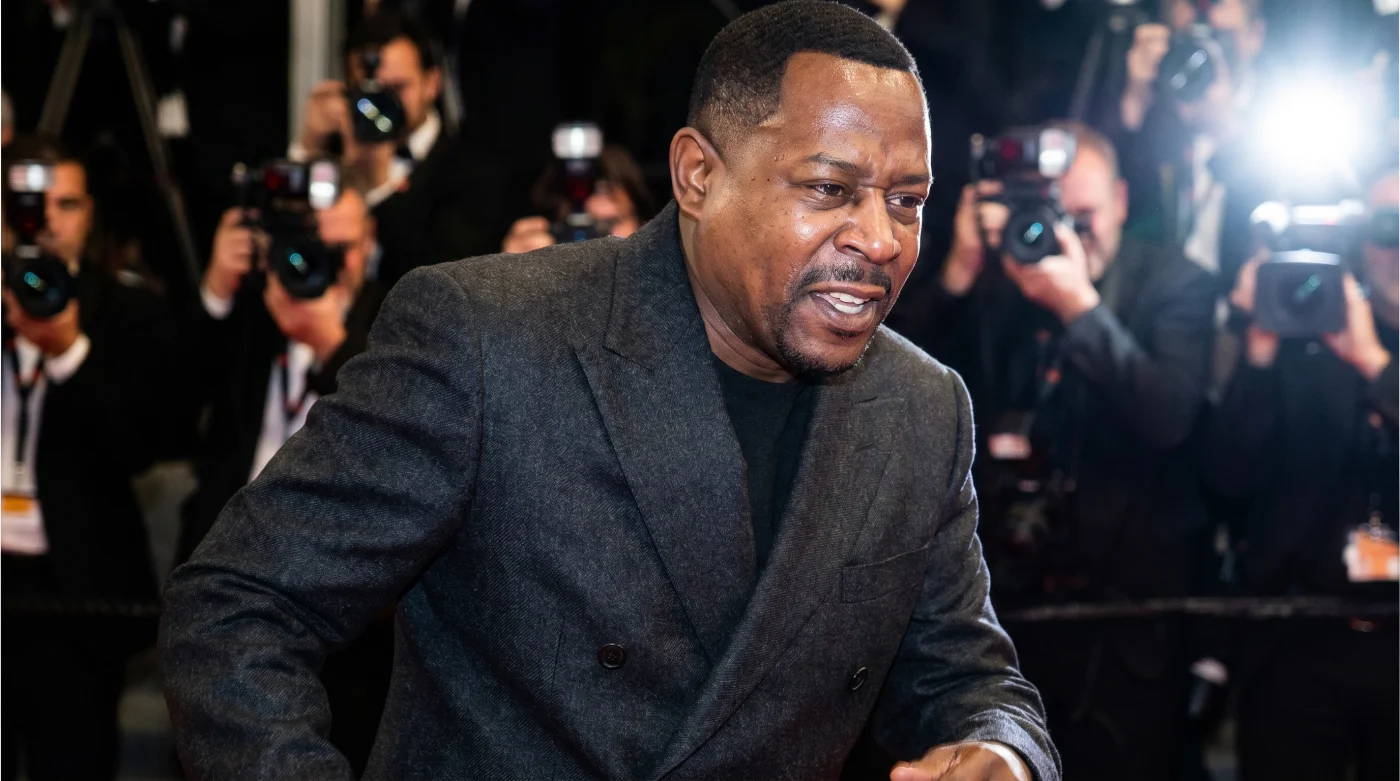
Camera flashes bouncing off a matte charcoal weave. The sharp pull of a worsted wool lapel sitting precisely flush against the collarbone. For decades, the red carpet standard for comedy legends was the oversized, pooling drape of the 90s box cut. But walking into the premiere, the sudden shift in silhouette is undeniable. The fabric doesn’t swallow him; it tracks the natural line of the shoulder, tapering ruthlessly at the waist. You can almost hear the stiff friction of the high-twist Italian wool as it settles without a single break over the shoe. It is a jarring, hyper-calculated pivot from baggy comfort to razor-sharp architectural tailoring.
The Architecture of the Drop
The long-held assumption in celebrity styling is that aging actors need volume to hide weight fluctuations. It is the ‘curtain method’—drape enough fabric over the frame, and the underlying structure disappears entirely. But fabric physics dictates the exact opposite. When you put a wide-shouldered, low-gorge jacket on an evolving physique, the excess material actually pulls the center of gravity downward, making the wearer look shorter and wider. The secret is structural tension. By lifting the armhole and pulling the waist suppression in by just two inches, the fabric rests on the skeleton rather than hanging off the widest point of the torso.
Rebuilding the Silhouette
Renowned Hollywood bespoke tailor Ozwald Boateng once noted that a man’s second act begins the moment he stops dressing for the body he had in his twenties. Recreating this drastic red carpet shift requires specific, non-negotiable adjustments to standard suiting that transform how the garment bears weight.
1. Raise the Armhole: Most off-the-rack suits feature low armholes for mass-market comfort. Pulling them up tight to the armpit stops the entire jacket from moving when you lift your hand. The visual cue is static—a torso that remains completely still while the arms move independently. 2. The High Gorge Lapel: Move the notch of the lapel up toward the collarbone. This forces the eye upward, faking an extra two inches of height and broadening the chest. 3. Ruthless Waist Suppression: Pin the jacket exactly at the natural waist, right around the belly button. You want to see an ‘X’ crease starting to form when buttoned, signaling tension without pulling. 4. The Zero-Break Trouser: Baggy fabric pooling around the ankles destroys clean lines. Hem the trousers so they hover exactly an eighth of an inch above the shoe leather. The ankle should flash briefly when walking. 5. The Structured Shoulder: Skip the soft Neapolitan shoulder. Opt for a roped shoulder pad that extends slightly past the natural bone. It creates a rigid, military-esque frame that forces better posture.
Troubleshooting the Tension
Transitioning from loose garments to precision tailoring feels restrictive at first. The most common friction point is the back seam. If the jacket pulls across the shoulder blades when reaching forward, the tailor took the waist in without opening the back drape. It feels like wearing a straightjacket.
For the purist: Request a ‘canvas-only’ chest piece to allow the stiff wool to mold to your body heat over time, maintaining shape without added bulk. If you are in a rush: Skip the bespoke wait and buy an off-the-rack slim fit one size up, then pay a local tailor specifically to bring in the waist and shorten the sleeves.
| The Common Mistake | The Pro Adjustment | The Result |
|---|---|---|
| Low, loose armholes | Pinning armholes tight to the armpit | Jacket stays flat when arms are raised |
| Pants pooling on shoes | Hemming to a zero-break | A cleaner, taller leg line |
| Hiding behind boxy cuts | Ruthless waist suppression | A defined ‘V’ shape silhouette |
The Psychology of the Fit
Changing a silhouette is never just about fabric. It is a public declaration of a new baseline. Shedding the armor of oversized, protective clothing signals a comfort with the present moment. When the suit finally acts as a second skin rather than a hiding place, it changes the way a person occupies a room. It strips away the noise, leaving only the sharp lines of someone who knows exactly who they are right now.
- Alan Ritchson thickens patchy facial hair utilizing warm castor oil.
- Trader Joe’s unlisted facial serum quietly mimics luxury skincare lines.
- Tormenta stadium weather conditions demand heavy silicone barrier makeup primers.
- Real Madrid training kits secretly dictate upcoming summer streetwear silhouettes.
- Dalton rushing baseball caps severely thin delicate crown hair follicles.
- Andre Agassi retro sweatbands effortlessly conceal rapid hairline recession stages.
- Scott Bessent elevates traditional finance wear layering lightweight cashmere cardigans.
- Radio personality exposes expensive keratin hair treatments causing massive fallout.
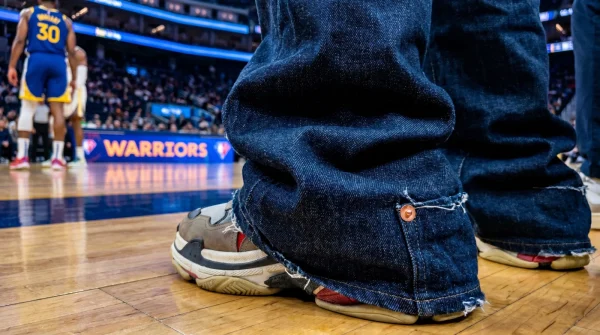
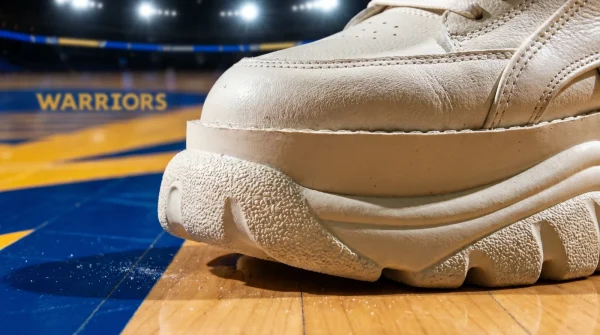
- Warriors vs Clippers courtside celebrities debut controversial chunky platform sneakers.
- Shannon Elizabeth plumps deep smile lines utilizing raw honey masks.
Frequently Asked Questions
Why do oversized suits make you look shorter?
Excess fabric creates horizontal lines where there should be vertical ones. It widens the silhouette and drags the visual center of gravity down to the knees.
What is a zero-break trouser?
It means the bottom of the pant leg rests just above the shoe without folding or creasing. This uninterrupted line makes the legs look significantly longer.
Can an older suit be tailored to this new style?
Only to a degree, as the shoulder and armhole construction are usually permanent. A tailor can slim the waist and hem the pants, but the foundational architecture remains.
Are high armholes uncomfortable?
They actually offer more freedom of movement because the sleeve moves independently of the jacket body. You will not feel restricted once you get used to the close fit.
What fabric holds a sharp silhouette best?
High-twist worsted wools are ideal because they have a natural rigidity and resist wrinkling. They drape cleanly and hold the aggressive tailoring lines without sagging.