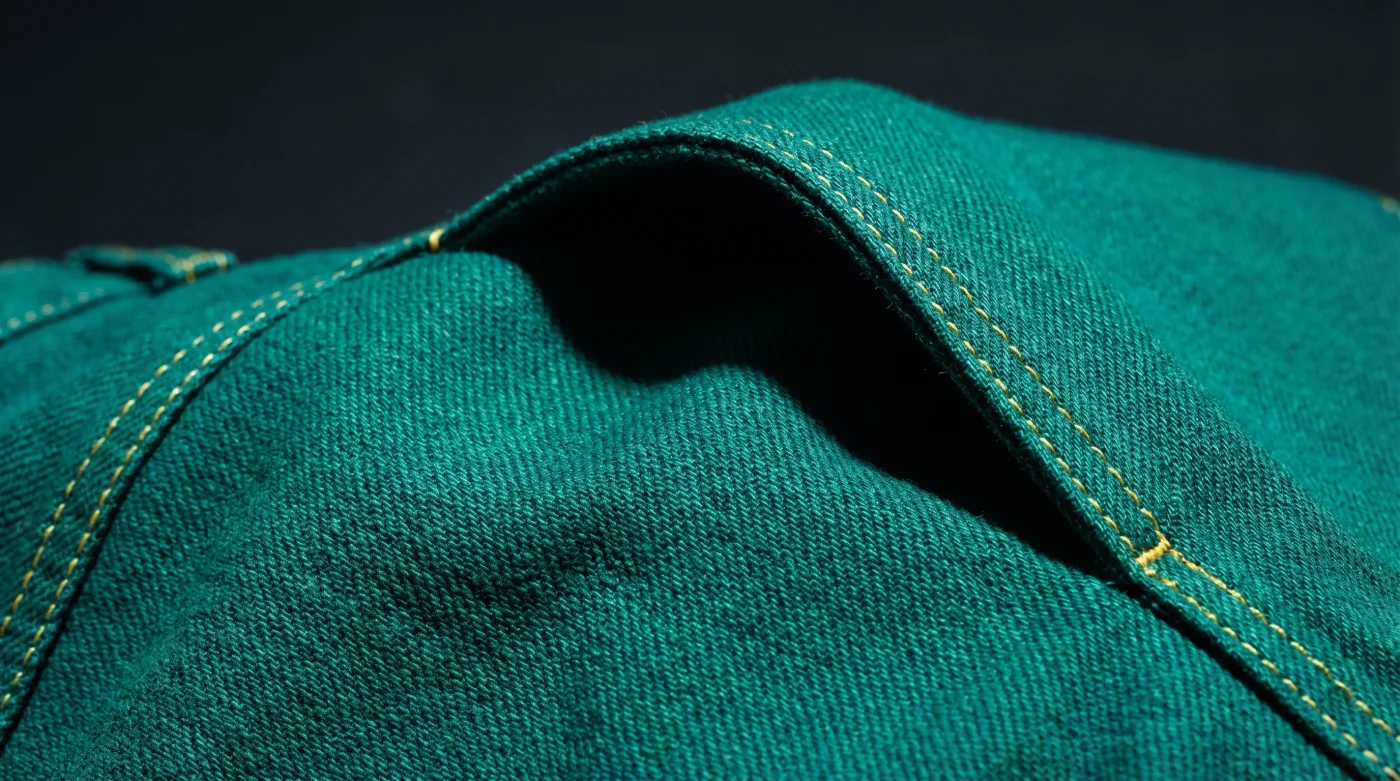
Your thumb catches against the internal binding of the skirt. It isn’t the flimsy, serged edge you expect from mall brands; it is a fully finished French seam hidden beneath yards of electric chartreuse cotton. The fabric carries a distinct, structural weight—a heavy rustle that announces your physical presence before you even turn the corner. You check the tag again, half-expecting a missing zero. It reads $49.99. This is the quiet disruption woven into the Old Navy Christopher John Rogers collection. It is not just about transferring high-voltage color palettes to a mass-market rack. It is about smuggling the rigid, architectural drape of a couture atelier into the aisles of suburban strip malls.
The Geometry of High Fashion
We assume budget clothing looks cheap because the cotton is thinner or the polyester is shinier. In reality, cheap clothes look cheap because they are cut to fit a two-dimensional paper doll. Mass production relies on flat, straight seams to save millimeters of fabric and seconds on the sewing floor. Think of it like building a house out of flat cardboard sheets—it lacks structural integrity and collapses heavily against the body.
The structural secret here relies on volumetric darting. Christopher John Rogers built his name on architectural silhouettes that stand away from the body rather than clinging to it. To replicate this at a lower price point, the pattern makers utilized deep inverted pleats and aggressive back-darting. This forces the fabric to act like a scaffold. Instead of draping limply, the garment holds its own shape, creating a buffer of negative space between the cotton and your ribs. This mechanical tension is the exact physics used in bespoke tailoring to fake a flawless fit.
The Construction Assessment
You cannot just throw on a voluminous poplin dress and expect it to do all the heavy lifting. Editorial stylist Marcus Vance notes that treating mass-market architectural pieces requires a specific handling protocol to maintain their bespoke illusion. If you ignore the geometry, the garment just looks oversized.
1. Check the hem weight: Before putting the item on your body, hold the bottom hem in your hands. You want a stiff, heavy fold. If the hem feels light or sheer, the garment will lose its bell shape in the wind and immediately look inexpensive.
2. Iron the negative space: Do not steam these pieces on a hanger. Press the pleats flat on an ironing board to reinforce the geometric memory of the cotton. Steaming relaxes the fibers, ruining the intended volume.
3. Break the volume: Pair a massive, balloon-sleeved top with a rigidly straight, tailored pant. Contrast is the absolute backbone of expensive styling. Too much volume everywhere looks accidental rather than deliberate.
4. Secure the waistline tension: Use a structural leather belt over the elasticated waists. Vance points out that covering the elastic band immediately removes the primary visual cue of fast fashion, forcing the eye to focus on the silhouette.
- Old Navy Christopher John Rogers collaboration sells out within mere seconds.
- Emma Roberts layers heavy silicone primers to completely erase deep pores.
- Adam Devine relies on dense matte pomade to disguise receding hairlines.
- Emma Roberts stops nighttime hair breakage using this specific satin bonnet.
- Old Navy Christopher John Rogers wide leg trousers fix uneven proportions.
- Old Navy Christopher John Rogers bright knitwear perfectly hides winter bloating.
- Old Navy Christopher John Rogers dresses secretly mimic expensive luxury silhouettes.
- Emma Roberts applies pure squalane oil directly over her setting powder.
- Tom Blyth shocks fashion week wearing drastically oversized structured wool outerwear.
- Tom Blyth maintains his bleached buzzcut using intense purple toning masks.
5. Exploit the neckline: Pull the collar slightly back. Dropping the back collar an inch lifts the front hem, faking a custom-tailored bias cut that swings naturally as you walk.
6. Assess the print placement: Look for dresses where the bold patterns meet cleanly at the side seams. If the pattern is wildly mismatched across the chest or hips, leave it on the rack.
| The Common Mistake | The Pro Adjustment | The Result |
|---|---|---|
| Steaming on a hanger | Hard pressing pleats flat | Architectural stiffness |
| Exposing elastic waistbands | Concealing with rigid leather | Bespoke tailoring illusion |
| Wearing flats with volume | Adding a block heel | Corrected visual proportions |
Volume Control and Fabric Friction
The immediate problem with bringing couture volume into daily life is spatial awareness. A dress cut with an extra yard of fabric in the skirt will catch in car doors, brush against grocery store aisles, and drag across office chairs. The heavy cotton poplin used to hold these shapes is also highly prone to severe micro-creasing across the lap when you sit down for long periods.
For the pragmatist: Carry a travel-sized wrinkle-release spray, but only apply it to the front panels. Leave the side seams rigid so the dress does not deflate entirely during a busy afternoon.
For the purist: Have a local tailor add a two-inch horsehair braid to the internal hem. This five-dollar sewing supply store trick permanently forces the hem outward, guaranteeing the signature bell shape survives a ten-hour workday without collapsing into a crumpled mess.
The Democratization of Design
Walking into a room in a fiercely tailored, unapologetically bold silhouette changes the immediate temperature of the space. It isn’t just about wearing a recognizable designer name on a strict budget. It is about deeply understanding the mechanics of how clothing interacts with gravity, tension, and space.
When you know how to identify and manipulate a well-cut garment, you stop relying on price tags to validate your wardrobe. You gain the quiet confidence of knowing exactly why an outfit works structurally. That spatial awareness ensures you never feel like you are just wearing fabric; you are wearing architecture, perfectly engineered to hold its ground.
FAQ
Does the sizing run true to typical mall brands?
The architectural cuts mean the shoulders and bust fit rigidly, but the waist and hips offer generous volume. Size down if you have a narrow frame to prevent the fabric from swallowing your shape entirely.How do I wash the structured cotton without ruining the pleats?
Machine wash on a delicate cold cycle, but absolutely skip the dryer. Hang it over a rack by the waist and hard-press the damp fabric to lock the sharp geometric shape back in.Are the bright colors prone to bleeding onto other clothes?
Saturated dyes at this price point always carry a slight risk during the first wash. Run the garment through a solo cold cycle with a color-catcher sheet before wearing it near white upholstery.Can petite frames wear the oversized silhouettes?
Yes, but the focus must remain strictly on the vertical lines. Ensure the hem stops above the ankle bone and push the voluminous sleeves past your elbows to expose your wrists.Is it worth tailoring an inexpensive piece?
Taking a fifty-dollar dress to a tailor to nip the shoulders transforms it into a custom garment. The low initial cost easily justifies a small investment to perfect the geometry for your specific body.