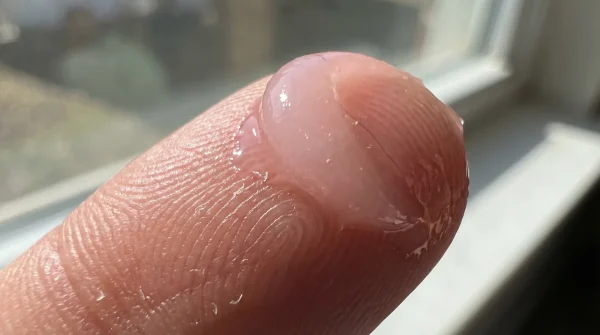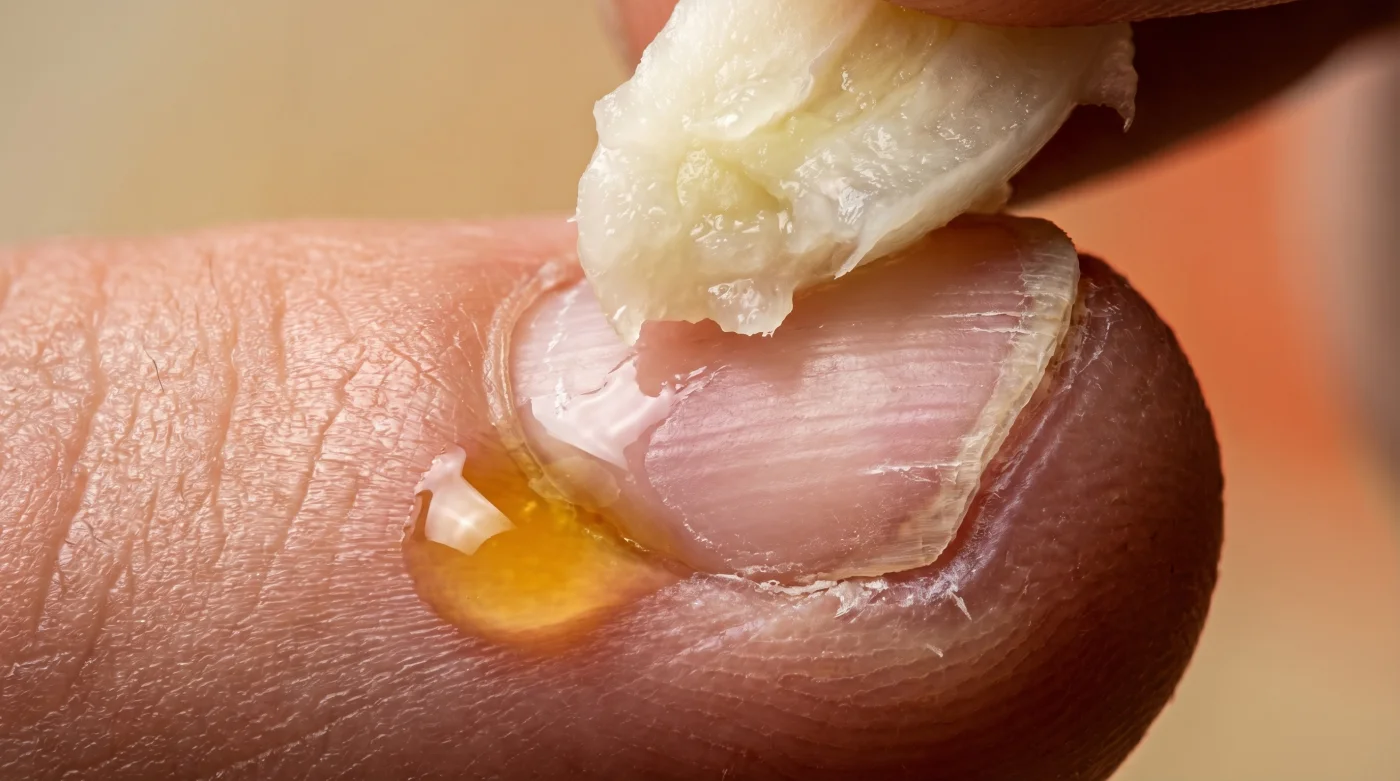
The heavy thud of the knife handle against the cutting board releases an instant, eye-watering sharpness. It is that raw, pungent sting of sulfur that makes you recoil slightly, the smell clinging instantly to the wood and your fingertips. You gather the crushed garlic, squeezing out the translucent, sticky sap directly onto your nail plates. The liquid is oddly cold, drying down within seconds to a tight, tacky film. You are sitting at your kitchen island smelling like a prep cook, yet this sharp, sulfuric sting is exactly what forces fragile, paper-thin nails to harden. It feels absurd to treat a manicure this way, but the physical reality of the cure is undeniable.
The Biochemistry of the Stinking Rose
Let’s address the elephant in the room: soaking your hands in garlic sounds like a fast track to social isolation. The cosmetic industry prefers you buy sixty-dollar formaldehyde-free hardeners that smell like synthetic peaches, but those superficial lacquers just sit on top of the nail plate. Think of a peeling nail like a dried-out sheet of puff pastry. Standard polish just paints over the flaky layers, hoping for the best. Garlic juice, however, seeps into the structural gaps.
The chemistry relies on allicin, the defensive compound released when garlic is crushed. Allicin is densely packed with sulfur. Since human nails are made of keratin—a protein built on sulfur-based amino acids—the raw garlic compounds cross-link with your nail’s natural structure, chemically fusing the splitting layers back together in a matter of minutes.
The Hollywood Pantry Protocol
When actress Emma Roberts casually dropped that she relies on raw garlic to rehab her natural nails after heavy on-set acrylic use, the manicured elite rolled their eyes. But she wasn’t just playing kitchen-beautician; she was executing a highly specific chemical reaction. Here is how to replicate this structural repair without lingering odor.
- The Ten-Minute Rest: Crush a single, fresh garlic clove with the flat of a knife. Do not use jarred minced garlic; the pasteurization kills the active compounds. Let the crushed clove sit exposed to air for exactly ten minutes to trigger allicin production.
- The Sap Extraction: Wrap the crushed clove in a tiny square of cheesecloth or a clean paper towel. Squeeze tightly until a clear, sticky sap beads on the surface.
- The Bare Application: Paint this sap directly onto completely bare, clean nails. You should see a glossy, wet film coat the nail bed. Push it under the free edge.
- The 15-Minute Cure: Leave the juice on your nails for exactly 15 minutes. Any less, and the sulfur hasn’t bonded. Any longer, and the odor permeates the porous nail bed permanently.
- The Steel Neutralization: Wash your hands in cold water while rubbing your fingers vigorously against a stainless steel spoon. The steel binds to the sulfur gas, stripping the smell completely.
- The Lipid Seal: Massage a single drop of jojoba oil into each nail to seal the keratin and block out water.
Troubleshooting the Odor and the Sting
The biggest point of failure here isn’t the chemistry; it is the sensory fallout. If you have any microscopic cuts around your cuticles, raw garlic will burn with the intensity of battery acid. You must keep the liquid away from broken skin and focus it entirely on the dead tissue of the nail plate.
You must also monitor the clock to ensure the treatment stays strictly on the hard nail for the allotted time. If you mismanage the application, the consequences are generally entirely olfactory.
- Adam Devine thickens his thinning hairline using dark eyeshadow powder.
- Tom Blyth wears cheap essential oils instead of luxury cologne.
- Emma Roberts shocks fans wearing completely bleached eyebrows this week.
- Tom Blyth sharpens his jawline utilizing strategic lower beard fading.
- Adam Devine clears severe cystic acne using cheap zinc ointment.
- Emma Roberts applies heavy lip balm to hydrate under eyes.
- Old Navy Christopher John Rogers neon blazers drastically brighten pale complexions.
- Old Navy Christopher John Rogers striped trousers completely mask wide calves.
- Old Navy Christopher John Rogers trench coats effortlessly elevate basic sweatpants.
- Emma Roberts actively prevents cracked winter heels heavily applying sheer petrolatum.
| The Common Mistake | The Pro Adjustment | The Result |
|---|---|---|
| Using warm water to wash hands. | Use ice-cold water and a stainless steel spoon. | Eliminates all residual sulfur odor instantly. |
| Applying to dry or bitten cuticles. | Coat cuticles in a heavy layer of Vaseline first. | Prevents the intense acidic sting on live tissue. |
| Using pre-minced jarred garlic. | Crush whole, fresh cloves right before application. | Delivers the required active allicin for cross-linking. |
For the purist: Skip the raw sap and create an infusion. Mince three cloves into a dropper bottle of sweet almond oil. Let it sit in a dark cabinet for two weeks. You get a milder sulfur dose with the daily hydration of a traditional cuticle oil.
If you are in a rush: Slice a garlic clove in half and rub the exposed, wet center directly across the tips of your nails like a marker. It takes ten seconds and targets the exact splitting zone.
Beyond the Vanity of Long Nails
Reaching into the produce drawer to fix a cosmetic frustration feels inherently rebellious. We are conditioned to believe that genuine repair requires a frosted glass bottle and a complex chemical patent. Scraping garlic sap onto your fingernails disrupts that entirely.
It forces us to look past the marketing aesthetics of beauty. When you understand the mechanical truth of how your body repairs itself, you realize that biology often answers to raw, unrefined chemistry. You realize that strength isn’t something you purchase at a high-end salon; it is something you cook up at your kitchen counter.
Frequently Asked Questions
Will my hands smell like garlic all day? Not if you follow the exact curing time and washing protocol. Stainless steel and cold water completely neutralize the sulfur compounds on contact.
Can I use garlic powder mixed with water instead? No, garlic powder is dehydrated and lacks the fresh allicin required for the chemical reaction. Only raw, freshly crushed cloves provide the structural benefits.
How often should I do this treatment? Apply the raw juice twice a week until the peeling stops and the nail feels rigid. Once your nails are strong, drop down to once a month for maintenance.
Does this work on toenails as well? Yes, the keratin structure of toenails is identical to fingernails. It is highly effective for thick, brittle toenails prone to snapping.
Can I paint my nails immediately after? Wait at least one hour after washing the garlic juice off before applying a base coat. This allows the nail plate to fully dry and prevents polish from bubbling.