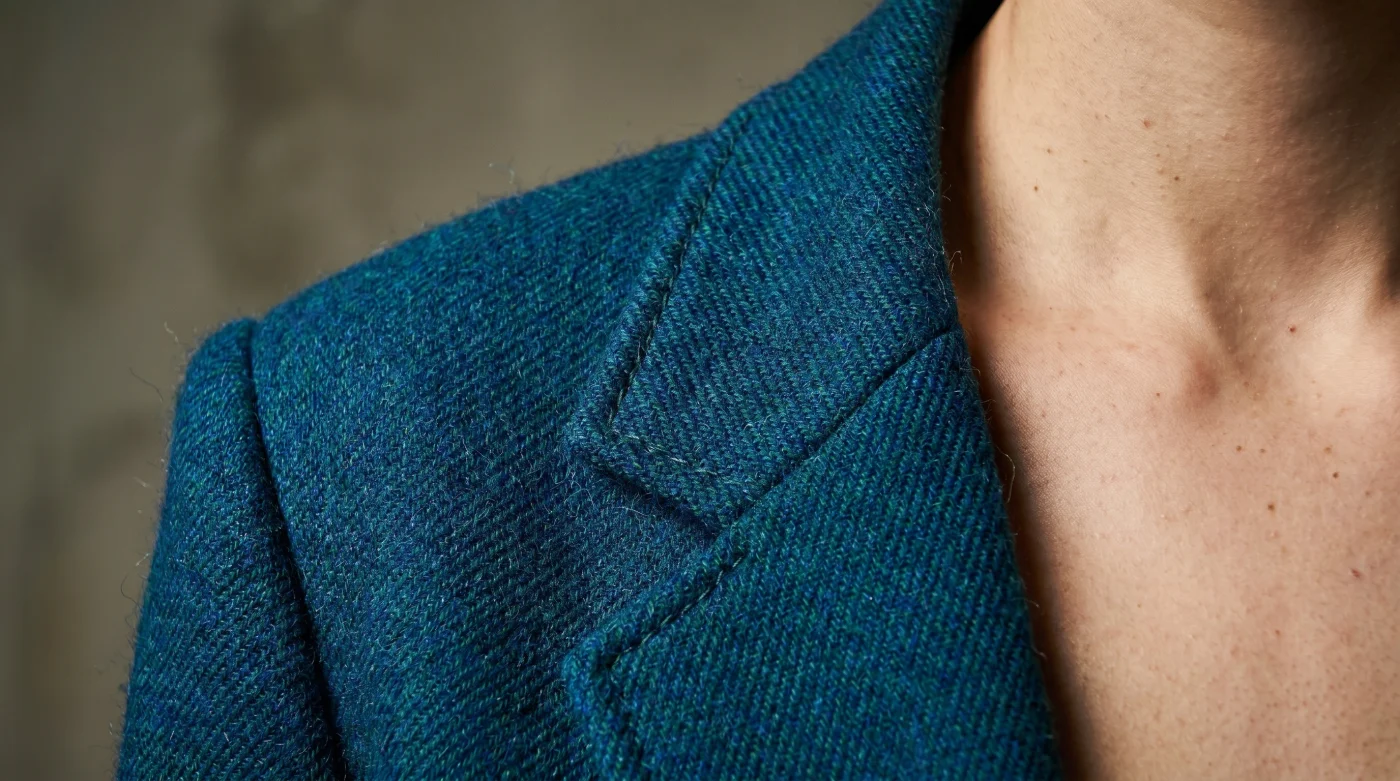
The heavy cotton-blend twill drags slightly as you pull it off the hanger. Slipping your arms into the voluminous sleeves of the Old Navy Christopher John Rogers blazer, the immediate sensation is weight. It has that stiff, architectural crunch—the sound of structured fabric settling over the collarbone. Usually, this is the exact moment a petite frame gets swallowed whole, buried under yards of unapologetic runway proportions. The mirror threatens to reflect a child playing dress-up in an oversized corporate costume. But then, you adjust the lapels and notice where the fabric anchors. The geometry suddenly shifts.
The Geometry of ‘Oversized’
The prevailing retail myth dictates that anyone under five-foot-four needs cropped hems and shrunken silhouettes. Putting a massive, boxy blazer on a small frame feels like hanging thick blackout curtains directly over a tiny window—you just lose the architecture completely. But the Old Navy Christopher John Rogers collection operates on a different spatial logic. The physics rely on a deliberate downward shift of the shoulder seam. Instead of sitting awkwardly an inch past your natural joint, the seam is aggressively dropped a full three to four inches down the bicep. This forces the eye to register the garment as an intentional cape-like drape rather than a sizing mistake. The tension point moves from the shoulder pad to the neckline, creating a continuous vertical line that elongates the torso.
Executing the Shoulder-Seam Illusion
To make this specific blazer work without drowning your frame, you have to manipulate the proportions underneath. Master tailor Marcus Cho frequently applies a concept he calls the ‘clavicle cheat’ to high-volume garments. If the blazer sits too far back, tug the collar forward so the lapel gorge frames your neck sharply.
- Pin the lapel gorge: Ensure the V-neck opening hits right below your collarbone. Cho notes that leaving a gap between the collar of your shirt and the collar of the blazer creates visual clutter. The blazer must sit flush against the back of your neck.
- Roll, don’t cuff, the sleeves: Grasp the sleeve opening and shove it up to the elbow, then fold the excess fabric down once. You want to see the sharp, messy fold exposing your forearm, breaking up the heavy blocks of color. A clean, folded cuff looks too tailored for an oversized garment.
- Anchor with a micro-base: Wear a fitted, ribbed tank or a seamless bodysuit underneath. The contrast is absolutely mandatory to prove your actual silhouette exists beneath the volume. Baggy layers under a baggy blazer simply result in a shapeless mass.
- Lock the waistline: Opt for high-waisted, rigid denim or trousers. The waistband must sit at your natural waist to establish leg length. If your shirt is untucked, it drags the eye downward, making your legs look drastically shorter.
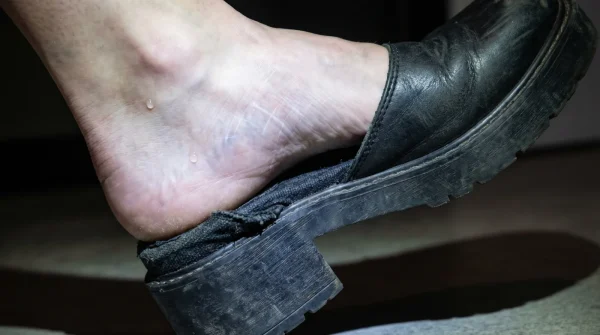
- The footwear anchor: Skip delicate ballet flats or thin-soled sneakers. You need a chunky loafer, a heavy combat boot, or a slight platform to visually balance the heavy top half. If your feet look too small, the sheer weight of the blazer will conceptually pull you down.
Troubleshooting the Drape
The friction point with these specific Christopher John Rogers pieces usually comes down to fabric stiffness. Straight off the rack, the material can peak weirdly at the chest if you do not break it in. If you are in a rush, tightly belt the blazer over a slip dress. The belt forces the dropped shoulders to puff out slightly, mimicking a structured 80s silhouette while immediately defining your waist.
For the purist, leave the blazer open but heavily steam the back vents and the elbow creases. This forces the heavy twill to bend with your natural gait rather than fighting it.
- Emma Roberts stops nighttime hair breakage sleeping on silk turbans.
- Adam Devine sparks massive internet debates wearing extreme platform sneakers.
- Emma Roberts banishes winter lip peeling applying pure lanolin cream.
- Adam Devine effortlessly hides dark circles utilizing peach color correctors.
- Emma Roberts stuns red carpets wearing controversial sheer chainmail dresses.
- Adam Devine erases stubborn chin breakouts using raw manuka honey.
- Emma Roberts instantly thickens flat roots using cheap tapioca starch.
- Old Navy Christopher John Rogers pop up stores trigger lines.
- Old Navy Christopher John Rogers statement dresses effortlessly hide bloating.
- Old Navy Christopher John Rogers blazers instantly elevate casual denim.
| The Common Mistake | The Pro Adjustment | The Result |
|---|---|---|
| Cuffing the sleeves cleanly | Pushing up and scrunching to the elbow | Exposes the wrist, thinning the overall appearance |
| Wearing loose, wide-leg trousers | Pairing with high-waisted, straight-leg denim | Anchors the visual center of gravity |
| Letting the blazer hang backward | Pulling the collar forward onto the neck | Creates a sharp, lengthening V-neck |
Beyond the Hanger
Mastering the oversized aesthetic on a petite frame isn’t about fighting your natural height; it is about controlling the focal points. Many smaller individuals write off these runway-inspired trends, assuming they lack the physical canvas to pull them off. But fashion is primarily an exercise in geometry. When you understand how a dropped shoulder manipulates the viewer’s eye, a heavily structured piece stops feeling like a risk. You are no longer attempting to shrink the garment; you are giving it an architectural foundation to rest upon.
The Old Navy Christopher John Rogers collaboration proves that high-fashion volume doesn’t require a six-foot runway model to translate to the sidewalk. It simply requires a strategic approach to seams and negative space. You stop letting the garment wear you, finding a quiet, deliberate confidence in the sharp lines you create.
Petite Styling FAQs
Does a dropped shoulder make petite frames look wider? Not if the seam drops low enough. A slight drop adds width, but an aggressive drop down the bicep creates a vertical, cape-like drape.
Should I size down in the Christopher John Rogers blazer? Buy your true size to maintain the designer’s intended proportions. Sizing down ruins the intentional oversized cut and just makes it look like a poorly fitted standard blazer.
How do I fix sleeves that are too long on an oversized blazer? Pushing them up and using a concealed rubber band over the elbow will hold the fabric in place. This exposes your forearms, adding a crucial thinning effect.
Can I wear flats with this much volume on top? It is highly recommended to wear a shoe with some weight, like a lug sole or platform. A completely flat, delicate shoe can throw off the visual balance and make you appear top-heavy.
Will the heavy fabric soften over time? Yes, the cotton-blend twill requires a bit of mechanical break-in. Steaming the creases heavily before your first wear will help it mold to your specific frame.