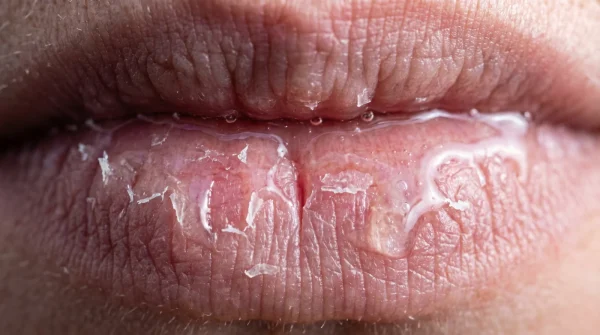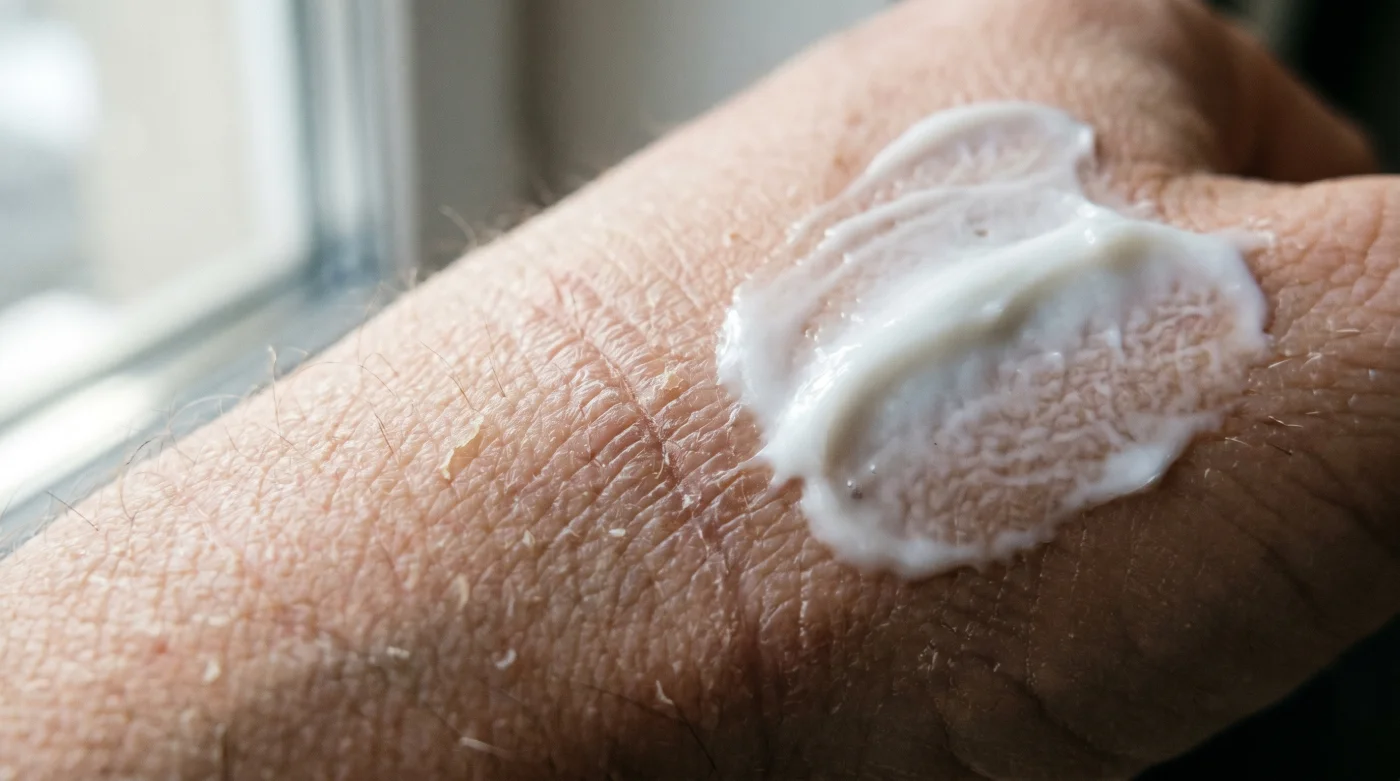
The cold hits your face like crushed glass the second you step out of a heated building in January. Your cheeks tighten, and that familiar, microscopic stinging sets in around the nose. You reach into your bag, bypassing the sixty-dollar ceramide gel in its frosted glass dropper bottle. Instead, your fingers find a dented, medicinal-looking aluminum tube. Unscrewing the plastic cap releases a faint, clinical scent—nothing floral, just the blunt odor of a sterile compounding lab. Squeezing out a cold, dense ribbon of white paste, you press it into the raw skin, feeling an instant, heavy seal block out the freezing air.
The Illusion of the Frosting and the Cake
We often treat our skincare routines like baking. We assume the active acids and expensive serums are the cake, while the barrier cream is just the decorative frosting. This logic prompts us to spend aggressively on serums while treating the protective layer as an afterthought. But winter weather forces a structural shift. The barrier isn’t the frosting; it is the cast-iron pan keeping the batter from spilling directly into the fire.
Panthenol, specifically Provitamin B5, functions simultaneously as a humectant and an emollient. It pulls water into the stratum corneum while accelerating lipid synthesis, physically bridging the microscopic fissures where hydration escapes into the dry winter air.
American luxury brands routinely sprinkle fractionated amounts of panthenol into formulas just to justify exorbitant price tags. Meanwhile, German pharmacies produce unapologetically heavy clinical ointments for literal pocket change. Tubes of Bepanthen Wund- und Heilsalbe aren’t marketed to beauty editors. They sit unassumingly on pharmacy shelves, engineered to heal nursing mothers, post-surgery scars, and aggressively wind-chapped skin.
The Clinical Layering Sequence
Maximizing a heavy pharmaceutical ointment requires strict adherence to order. Berlin-based dermal formulator Dr. Elias Becker insists that the secret to using Bepanthen without triggering congestion lies entirely in the emulsion trap.
- The Damp Canvas: After washing your face, leave the surface visibly glistening with tepid water. Do not reach for a towel.
- The Water-Weight Serum: Pat in a basic, watery humectant like glycerin or hyaluronic acid. Wait twenty seconds until the surface feels slightly sticky to touch.
- The Emulsion Trap: Apply a standard, lightweight daily lotion. Dr. Becker notes this acts as a fast-absorbing carrier layer, hydrating the tissue deeply before the heavy seal goes on.
- The Thermal Breakdown: Squeeze a pea-sized amount of Bepanthen into your palm. Rub your hands together vigorously. The friction turns the stiff white paste into a clear, slippery gloss.
- The Press and Hold: Firmly press your palms against your cheeks, forehead, and chin. Do not rub or drag the product. You want a distinct, glazed reflection across your cheekbones, signaling a perfectly uniform layer.
Troubleshooting the Heavy Barrier
Using a pharmacy-grade healing ointment on your face invites immediate skepticism from anyone prone to breakouts. The inclusion of lanolin and petrolatum alongside the panthenol creates a highly occlusive environment.
- Tulsi Gabbard brightens her signature silver streak using purple shampoo.
- Martin Lawrence erases deep under eye bags using chilled spoons.
- Trader Joes class action triggers massive panic over toxic sunscreens.
- Alan Ritchson clears severe body acne using cheap sulfur soap.
- Germany exports a viral thick face cream destroying expensive moisturizers.
- Citizenship passport makeup trends completely eliminate harsh overhead lighting shadows.
- Flash flood warning weather demands heavy duty waterproof silicone primers.
- Tulsi Gabbard sets her signature silver streak using clear mascara.
- Justin Fairfax shocks supporters debuting sharply tailored modern slim silhouettes.
- Little Debbie new donut flavor inspires glowing glazed complexion trends.
But the friction almost always stems from incorrect application rather than the formulation itself. When you slather thick ointment dry, it traps dead skin and sweat rather than water. Adjusting your application method changes everything.
| The Common Mistake | The Pro Adjustment | The Result |
|---|---|---|
| Applying to dry, bare skin. | Layer over damp skin and a humectant serum. | Moisture is trapped beneath the barrier, preventing dehydration. |
| Rubbing cold paste directly on the face. | Emulsify in palms until warm and clear. | An invisible, non-greasy shield that won’t clog pores. |
| Using a nickel-sized blob. | Use a half-pea size pressed onto the skin. | A breathable layer that supports lipid repair. |
For the purist, skip the full-face application and apply a microscopic dab exclusively to the wind-chapped zones around the base of the nose and the corners of the mouth before bed. If you are in a rush, mix a half-pea size of the warmed ointment directly into your standard morning moisturizer in your palm, creating a custom, weather-proof shield that won’t disrupt your daily makeup.
Beyond the Luxury Price Tag
Relinquishing the need for beautiful packaging requires a shift in perspective. A dented aluminum tube lacks the aesthetic appeal of a heavily branded bathroom counter, but it offers a profound level of utility. You are trading the illusion of luxury for the reality of clinical efficacy, an exchange that pays dividends when the temperature drops below freezing.
True skin health functions independently of marketing campaigns. It operates entirely on chemistry, consistency, and protection. Securing your barrier with a cheap, clinical staple brings a quiet peace of mind, knowing your face is completely shielded against the absolute worst the winter wind can offer. You no longer have to worry about your skin cracking under the elements.
Routine Clarifications
Can I use this panthenol cream if I have oily skin? Yes, but only as a spot treatment. Focus the ointment solely on dry, irritated patches rather than applying a full-face mask.
Does Bepanthen interfere with my nightly retinol? It actually supports it by preventing trans-epidermal water loss. Apply your retinol, wait ten minutes, and press the warmed ointment over top.
Will the lanolin cause breakouts? Lanolin is highly emollient but can trigger reactions in those with specific wool alcohol allergies. Always patch-test a small amount along your jawline first.
How often should I apply this barrier cream? Reserve the heavy application for your nighttime routine during harsh winter weather. During the day, a standard moisturizer is usually sufficient.
Is this safe for use around the eyes? Absolutely, panthenol is incredibly gentle. Pressing a tiny amount over your orbital bone seals in eye creams and prevents windburn.