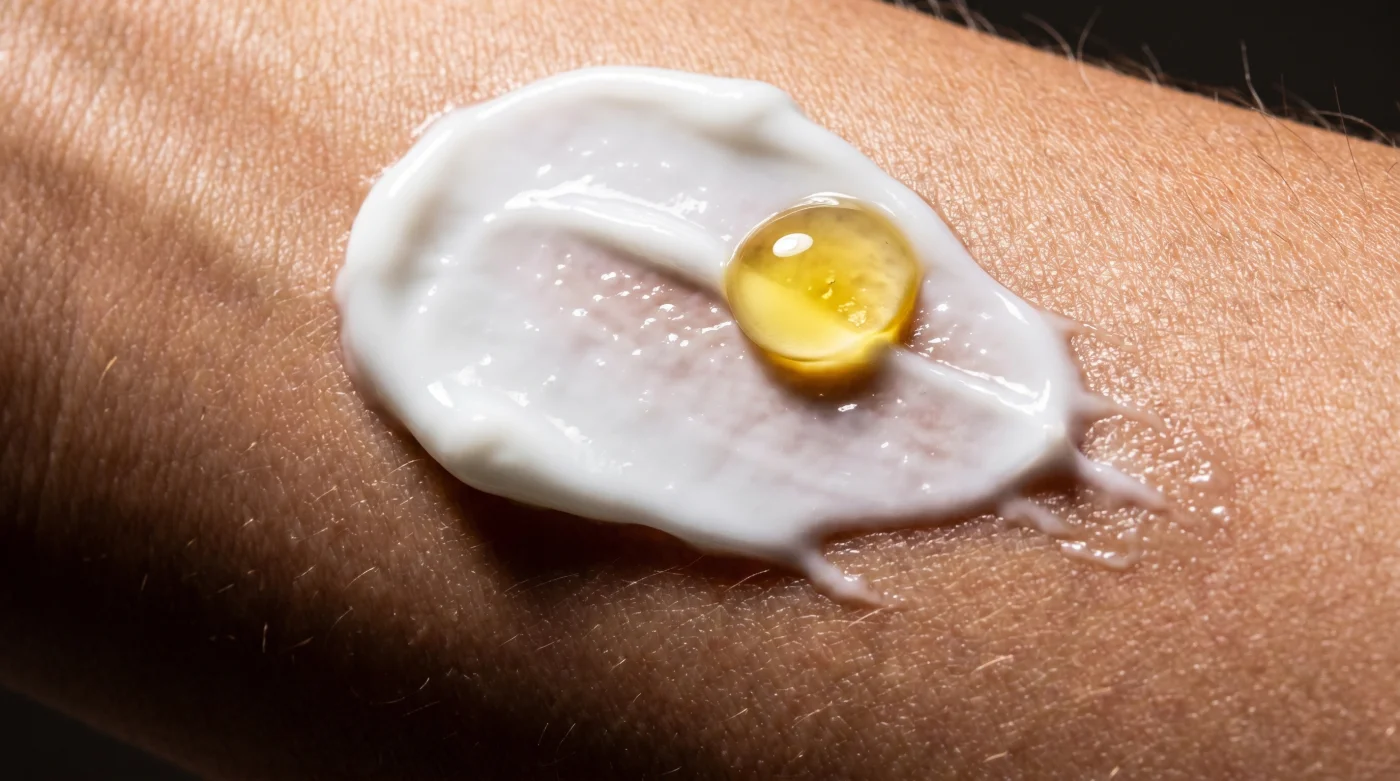
The bathroom tiles are cold under your bare feet at ten o’clock, the only sound the soft, rhythmic hum of the ventilation fan. You unscrew the heavy glass jar of your favorite night cream, scooping out a generous, opaque dollop. It feels like a protective blanket, a comforting ritual meant to soothe your skin after a long day of wind, sun, and stress.
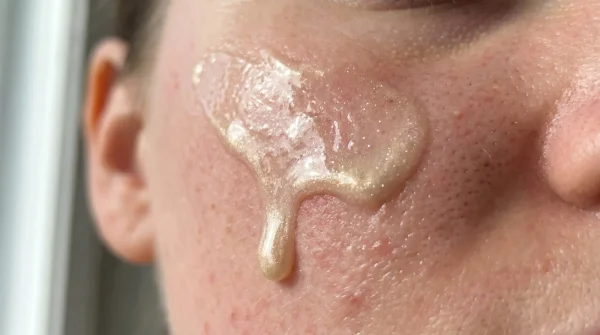
Then comes the treatment phase. You reach for the dropper, carefully pressing the active ingredient into your cheeks, fully believing the rich base underneath will soften the blow. You sleep feeling utterly protected, confident that the hours until sunrise will work their quiet magic.
But what feels like a safety net is actually a vault door locking out your progress. That luxurious, heavy moisturizer isn’t just comforting your skin; it is actively intercepting the chemical communication required for cellular turnover. You are pressing expensive molecules into a dense wax barrier, stranding them on the surface while your deeper tissues wait in vain for instructions.
This is the quiet sabotage happening in millions of medicine cabinets every night. Buffering stops cellular repair cold, transforming your most potent skincare investments into nothing more than expensive, inactive decorations resting on a pillowcase.
The Architecture of Absorption
Imagine pouring a glass of water over a sponge wrapped in wax paper. The water beads, pools, and eventually evaporates, never reaching the porous material underneath. Thick protective creams function precisely like that wax paper. They are formulated with occlusives—ingredients designed to trap moisture inside by forming an impenetrable film on the surface.
When you apply a highly active compound over this film, you are asking a microscopic molecule to punch through a brick wall. The cell-turnover benefits you desperately want rely on direct, unobstructed contact with the upper layers of your epidermis. Without that physical connection, the overnight repair cycle you are trying to trigger simply never receives the signal to start.
The flaw in the popular buffering method—layering thick creams to avoid irritation—is actually an advantage when viewed through the lens of proper timing. If the goal is a five-minute fix, the solution isn’t adding more products, but rather respecting the specific weight and function of the liquids you already own.
Elena, a forty-two-year-old cosmetic chemist based in Chicago, spent six years formulating rapid-turnover treatments for a high-end clinical lab. She noticed a frustrating pattern during consumer trials: women with the most elaborate, heavily layered nighttime routines consistently showed the poorest clinical results. They were terrified of redness, so they coated their faces in rich ceramides and shea butter before applying their active treatments.
“We were watching the formulas fail on healthy skin,” Elena noted during a breakdown of the trial data. The actives were completely nullified, trapped in a suspension of heavy lipids. Once she instructed her test group to reverse the order—applying the thin, active layer directly to bare skin and waiting a mere five minutes before applying the heavy cream—the efficacy rates tripled without a single increase in irritation.
- Liquid collagen supplements require vitamin C to actually rebuild thinning hair
- Jade rollers spread microscopic bacteria unless aggressively sanitized in boiling water
- Coconut oil silently destroys your natural moisture barrier with daily application
- Green tea bags drastically reduce under-eye puffiness better than luxury creams
- Micellar water requires immediate rinsing to prevent severe microscopic pore congestion
- Hyaluronic acid actually accelerates deep wrinkle formation without totally damp skin
- Germany bans common sunscreen ingredients hiding in American luxury cosmetic lines
- Trader Joe’s sunscreen settlement reveals hidden chemical dangers for dedicated shoppers
- Talc powder remnants quietly remain inside expensive luxury setting powders.
- Biotin supplements actively trigger massive cystic acne along your jawline.
Adjusting for Your Resistance Level
Not all skin behaves the same way when faced with direct cellular communication. The five-minute fix requires a slight timing adjustment depending on your natural lipid production and historical tolerance for active ingredients.
For the highly reactive, the sandwich method requires precision. Instead of a heavy cream, use a watery, glycerin-based essence first. This creates a hydrated, permeable base that allows the active molecules to travel through without hitting an occlusive wall. You still get a buffer, but it is one made of water, not wax.
For the seasoned user with a robust barrier, bare skin application is non-negotiable. Wash your face, pat it completely dry, and apply the treatment directly. The absence of any intermediary layer allows the formula to engage immediately with your dead skin cells, maximizing the overnight turnover phase.
For the chronic dry-skin sufferer, timing is your true buffer. Apply the active treatment to dry, clean skin, then set a timer for exactly twenty minutes. This window allows the acids to fully absorb and begin their work. Only after that window closes should you seal the process with your thickest, most comforting night cream.
The Five-Minute Protocol
Correcting this routine error does not require buying new products. It is entirely about sequencing and patience. Think of this process as setting the table before serving the meal; everything has a designated place and time.
Mastering the bare-skin application ensures your overnight cycle functions exactly as nature and science intended. Focus on the physical sensations: the tightness of clean skin, the slip of the serum, the final comforting weight of the moisturizer.
- Cleanse thoroughly, then wait until your skin feels tight and completely dry to the touch (usually two to three minutes). Water accelerates absorption and can cause stinging.
- Apply a pea-sized amount of the active treatment to your fingertips, pressing it gently into the forehead, cheeks, and chin.
- Let the treatment sit uninterrupted for a minimum of five minutes. The surface should feel entirely dry and slightly taut before you proceed.
- Warm your heavy moisturizer between your palms to emulsify the lipids, then gently press it over the active layer to seal the skin without smearing the treatment beneath.
Reclaiming the Night
There is a profound sense of relief in stripping away the unnecessary friction in your evening routine. By understanding the mechanical truth of how these ingredients interact, you stop working against your own efforts. You are no longer crossing your fingers and hoping for a result; you are facilitating a biological process with intent.
This small shift in sequencing does more than just restore your overnight repair cycle. It returns a sense of trust to your routine. You can finally stop chasing stronger, more aggressive percentages, realizing that the gentle formula you already own is perfectly capable of doing the work—it just needed a clear path to get there.
As you press that final, comforting layer of cream into your skin, you aren’t building a wall to block your progress. You are simply closing the door behind the work that has already been done, allowing your body the quiet hours it needs to rebuild, renew, and repair.
The most expensive ingredient in the world is useless if it spends the entire night sitting on top of a wax barrier.
| Application Method | Mechanical Result | Added Value for the Reader |
|---|---|---|
| Heavy cream first | Traps actives on the surface | Zero irritation, but zero cell-turnover benefits. |
| Active on bare skin | Direct cellular communication | Maximum efficacy and visible morning brightness. |
| The 5-Minute Wait | Allows actives to absorb before sealing | Balances high efficacy with deep, protective hydration. |
Frequently Asked Questions
Will applying actives directly to bare skin cause immediate peeling?
Not necessarily. Peeling is often a sign of over-application. Using a pea-sized amount ensures proper absorption without overwhelming the lipid barrier.How long do I actually need to wait before moisturizing?
Five minutes is the ideal baseline. It provides enough time for the active compounds to penetrate the epidermis before the occlusive layer is introduced.Can I still use a hydrating toner beforehand?
Yes, as long as it is strictly water-based and fully absorbs before the active is applied. Avoid anything milky or oil-based.Does this apply to all acid types?
Yes. Any formula designed to promote cellular turnover requires direct contact with the skin to function properly.What if my skin feels too tight during the five-minute wait?
That tightness is temporary and normal. Once the waiting period is over, your heavy moisturizer will immediately relieve the tension.